

to district


 1
6.8
1
6.8
- verb
- /ˈdɪstrɪkt/
- Formal
- Living in the South, where neighborhoods and entire schools are "districted" based on what the powers that be say is socioeconomic status (which is really racism in disguise), this comes as no surprise to me.
Examples
-
In the upcoming elections, officials will district the city to create fair voting zones for all neighborhoods.
-
A government council was to be elected by constituents of newly districted local government areas, and they were not designed to include traditional rulers.
Academic text (1993) -
This is why we need to do away with House representation by districting and go to a vote-by-party proportional nationwide election where you vote for a party, not a person.
Blog text (5) -
The school board decided to district students based on their home addresses to ensure equal access to resources.
-
To improve public services, the city council plans to district areas that require more attention and support.
Compounds

- Formal
153
4.2
A lawyer who brings criminal charges for the government in a local area

 34
4.0
34
4.0
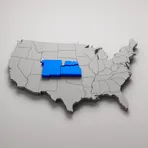
A part of a United States state that elects one person to the House of Representatives
 28
3.5
28
3.5
A federal area in the eastern United States that contains the city Washington and is the nation's capital





 1
2.8
1
2.8
A part of a city, like a neighbourhood, used for local government or shown on maps
 1
3.2
1
3.2
A beautiful area in northwest England with lakes, mountains, and small villages that visitors like




A district in northeastern China on the Liaodong Peninsula with an old port once called Port Arthur

An area in a city with many small, crowded apartments where people live in poor conditions
How Broad
960
3.0

- Specialized
248
6.9
4
9.9
- Formal
1
6.8
91
6.0
Surface Forms
Etymology
To district someone comes from the idea of 'drawing tight' and being inside a marked area, like the word strict suggests. That's why to district a person or place is to assign them to a particular, marked-off area.