

to district
- verb
- /ˈdɪstrɪkt/
- Formal
- Urban planners are currently districting the city to improve access to public transportation.
Examples
-
The city council decided to district the suburb to control the types of housing built in each area.
-
After the new policy, the town was districted to separate residential and commercial zones.
-
They districted the area for better resource management.
-
The city council districts the neighborhoods every five years.
-
The city council decided to district the area to better manage local resources.
-
Urban planners are currently districting the city to enhance community services.
-
After the new policy, the town was districted into zones for residential and commercial use.
Synonyms

 12
4.2
12
4.2

To divide an area into parts for a special use
 1
6.8
1
6.8
To divide a country or organization into regions for local control

To divide a country into smaller areas with their own local government

To divide a country or city into areas for local government
Compounds

- Formal
153
4.2
A lawyer who brings criminal charges for the government in a local area

 34
4.0
34
4.0
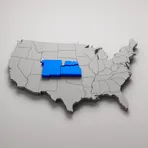
A part of a United States state that elects one person to the House of Representatives
 28
3.5
28
3.5
A federal area in the eastern United States that contains the city Washington and is the nation's capital





 1
2.8
1
2.8
A part of a city, like a neighbourhood, used for local government or shown on maps


 1
3.2
1
3.2
A beautiful area in northwest England with lakes, mountains, and small villages that visitors like




A district in northeastern China on the Liaodong Peninsula with an old port once called Port Arthur

An area in a city with many small, crowded apartments where people live in poor conditions
How Large

Surface Forms
Etymology
The verb district comes from the same root as strict and carries the idea of 'drawing lines' around places. So, to district a city is to divide it into marked-off areas for official use.