

to distress
 32
4.1
32
4.1

- verb
- /dɪˈstrɛs/
- The idea of losing this ring distresses me beyond measure.
- distressed area
- distressed communities
- the most distressed
Loading YouTube…
Watch on YouTubeWhy does it upset me or why does it distress me when other people are upset?
- Why does it upset me or why does it distress me when other people are upset?
- Supposing I should hold you and caress you, would it impress you or distress you?
- So it's not what has happened that distresses this person, but this person's judgement about it.
Examples
-
I would thank you not to rake up that matter and distress my family again.
Fiction book (1993) -
But imagine the way the child distressed herself over an old woman she'd never seen before.
Fiction book (1997) -
Why does it upset me or why does it distress me when other people are upset?
-
Ah, why distress me so much?
-
Over the passing of the years, it's beginning to distress me.
-
If you distress our Mi Soo, I will not let it go.
-
So it's not what has happened that distresses this person, but this person's judgement about it.
-
The increasing animosity between his two friends distressed him, but what could he do?
Fiction book (1991) -
The prospect of the house being sold distressed Sophie, and she'd said as much.
Fiction book (1992) -
Hearing about the disaster in the news began to distress her deeply.
Synonyms
 362
1.0
362
1.0
Make someone feel sad or worried
 107
7.2
107
7.2
To cause someone to feel great physical or mental pain
 99
4.8
99
4.8
To make someone feel sick or have pain in the body
 71
6.0
71
6.0
Cause pain or trouble to people, animals and places
 45
4.9
45
4.9
To make someone feel sad or upset
 4
7.3
4
7.3
To cause someone to feel very strong pain or worry
Antonyms


Compounds


- Specialized
37
3.1
A signal sent by a ship, plane, or person asking for emergency help
- Specialized
1
4.6
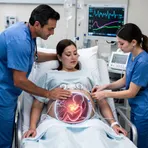
A problem in pregnancy when the baby in the womb has an unusual heart rate or low oxygen


 1
7.4
1
7.4
A serious illness in which the lungs are damaged and fill with fluid so oxygen cannot reach the blood

- Specialized
1
6.5
A serious lung problem in premature babies whose lungs cannot stay open so they breathe fast and look blue


- Specialized
A serious lung problem in newborn babies, often premature, when their lungs cannot open properly and they have trouble breathing

How Distressing

Surface Forms
Etymology
Distress as a verb shares the Latin root stringere ('to draw tight') and so it means causing someone hardship by 'tightening' their situation. That's why to distress someone is to cause them pain, worry, or serious difficulty.