

dislocation
 8
6.2
8
6.2

- noun
- /ˌdɪsloʊˈkeɪʃən/
- The patient with an acute anterior dislocation is in distress and complains of acute pain.
- shoulder dislocation
- traumatic dislocation
- recurrent dislocations
Loading YouTube…
Watch on YouTubeHold on, headaches, incontinence, jaw dislocation.
- Hold on, headaches, incontinence, jaw dislocation.
Examples
-
The patients were divided into two groups: first-time dislocators and patients with recurrent dislocations.
Academic text (2003) -
Ben Spies had a big fall with bruising to his foot and dislocation of the ankle.
-
All 10 patients sustained an anterior glenohumeral dislocation confirmed by radiographs.
Academic text (2015) -
Rare but serious complications include dislocation of the temporomandibular joint, pulmonary edema, hemorrhage, and death.
Academic text (2004) -
After he fell during the game, the doctor diagnosed him with a dislocation of his shoulder.
-
The athlete suffered a painful dislocation of her knee while competing in the marathon.
-
The emergency room treated several cases of joint dislocation caused by sports injuries.
Synonyms
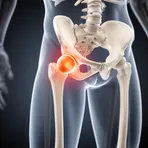
A bone that is out of its joint after an injury
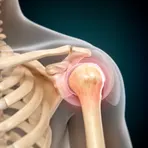
Bones in a joint move out of their normal place

A joint where the bones do not meet correctly

Separation of an arm or leg at its joint
Antonyms

How Serious

Surface Forms
Morphology
Etymology
The word dislocation comes from the parts dis- 'apart' and location 'place'. So a medical dislocation is a simple image: a bone is forced 'out of its place', which is why we call that injury a dislocation.