

disinhibition


 1
8.2
1
8.2
- noun
- /ˌdɪsɪnɪˈbɪʃən/
- Specialized
- The act of binge eating may produce a dissociative-like state of disinhibition, serving as a form of emotional numbing or avoidance.
- experience disinhibition
Loading YouTube…
Watch on YouTubeBrutal honesty is a moment of disinhibition, and it's a weak excuse.
- Brutal honesty is a moment of disinhibition, and it's a weak excuse.
Examples
-
Often, the child displays disinhibition and may exhibit behaviors that seem inappropriate and immature.
Academic text (2003) -
The disinhibition of impulse control that follows intoxication may also encourage overeating.
Blog text (7) -
There are several factors contributing to this disinhibition effect, including:
Blog text (5) -
The disinhibition associated with Ecstasy use can cause teens to behave in ways that make them vulnerable to sexual assault or other violence.
Academic text (2006) -
We've not really seen evidence that behavioral disinhibition undoes the benefits of that intervention.
-
It is reasonable to conclude that these are behavioral effects of the disinhibition discussed in the section on arousal.
Academic text (1995) -
The disinhibition of behavior suppressed by punishment has become a standard behavioral assay for the anti-anxiety activity of drugs.
Academic text (2009) -
Perceived benefits and disinhibition (a sensation-seeking subscale) were also significant predictors of risk involvement.
Academic text (2003) -
After the medication, his disinhibition led him to openly express feelings he usually kept to himself.
-
The party atmosphere caused a sense of disinhibition, prompting guests to dance freely and socialize more than usual.
Synonyms
 5
7.0
5
7.0
A habit of acting quickly without thinking about what will happen
 4
5.9
4
5.9
A habit of acting quickly without thinking about the results
 1
9.9
1
9.9
Careless actions that ignore rules and possible bad results

A feeling of being free from worry and able to act naturally

A way of behaving that is too much

A lack of moral control that makes a person enjoy too many physical pleasures
Antonyms
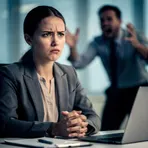

How Disinhibited

Surface Forms
Morphology
disinhibition = disinhibit (semi-transparent) = dis + inhibit + ion
This is a regular noun formation from the verb 'disinhibit', meaning the process or state of becoming less inhibited.
Etymology
Disinhibition comes from the prefix dis- meaning 'not' or 'opposite' and inhibition meaning 'holding back' or 'a brake'. So disinhibition is like taking off the brakes that stop someone from acting, which is why alcohol or nerves can make people behave more freely.