
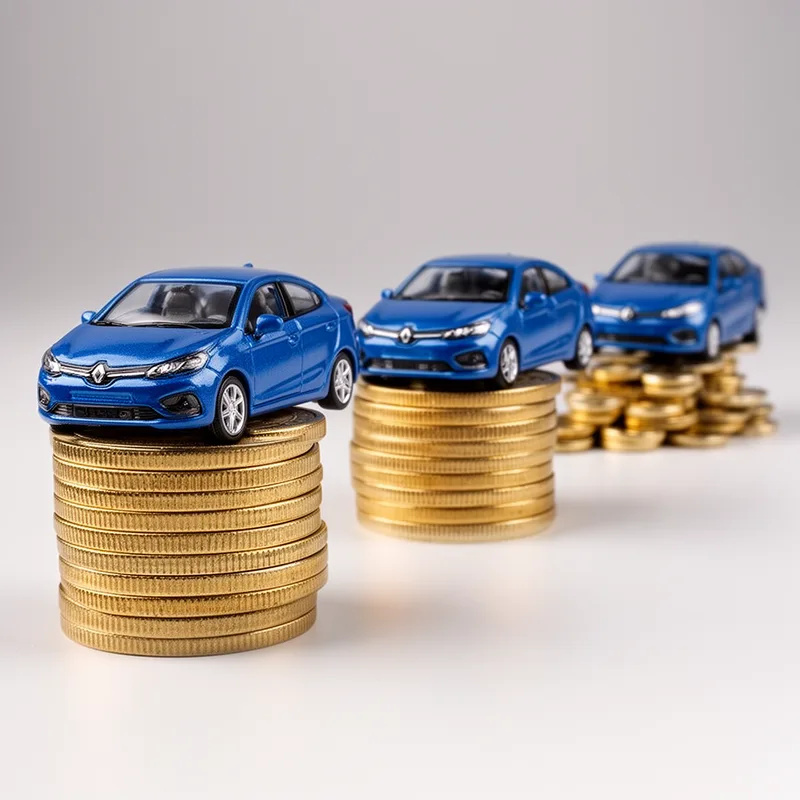
to depreciate
 9
5.9
9
5.9

- verb
- /dɪˈpriːʃieɪt/
- Specialized
- The value of your car will depreciate quickly once you drive it off the lot.
- currency depreciated
- depreciate in value
- dollar depreciated
Loading YouTube…
Watch on YouTubeAs the home currency depreciates, the debts grow.
- As the home currency depreciates, the debts grow.
- OK, you can't depreciate land, but you can depreciate the building.
- So you take the cost and you can depreciate it.
- This is going to get lost in the algorithm, meaning I feel like the value could depreciate significantly.
- It's just that it's not visible to us because the dollar has inflated or depreciated in value.
- And my buddy here, Tom Wheelwright, my accountant, tells me, OK, you can appreciate it, depreciate and amortize it.
- Make sure you're depreciating more than you're taking write offs and make sure you're doing this in coordination with ACPA and a mortgage lender.
- It's a whole, the dollar has not depreciated and the rest of the world is slowing.
Examples
-
Well, so essentially the IRS allows people to depreciate their home because from their view, it goes down in in value.
-
Under the new act, such property is depreciated over a recovery period of 39 years.
Academic text (1993) -
But according to the tax rules properties depreciate in value and you get a tax write off.
-
You buy the building and you depreciate it over the life of the contract.
-
Not only that, you can depreciate the entire building for the full amount.
-
The price of local currency can depreciate against foreign currency for three primary reasons.
Blog text (12) -
OK, you can't depreciate land, but you can depreciate the building.
-
When you depreciate the machines, you depreciate the forty-five thousand dollars, not the five thousand dollars.
Blog text (26) -
As a result, the currency depreciated drastically, and available funds for social purposes were substantially less than expected.
Academic text (2003) -
The rates at which capital expenditures can be depreciated for tax purposes vary considerably across G-7 countries.
Academic text (1993)
Synonyms
 146
5.9
146
5.9
To get worse in quality, condition, or value
 83
4.2
83
4.2
Gradually make someone's trust, belief, or support weaker over time
 49
5.1
49
5.1
To make something worse in quality or value
 37
4.4
37
4.4
To slowly fall into ruin because of age or neglect
 15
5.3
15
5.3
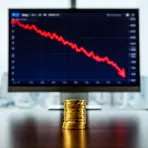
To lose value, especially a country's money compared to other money
 14
6.6
14
6.6
To fall in value after a period of rapid rise
 7
6.9
7
6.9
To make something worth less by adding cheaper material
 4
4.9
4
4.9
Become worth less over time

Something that loses value over time

To make something seem less valuable or important
Antonyms

How Depreciated

Surface Forms
Morphology
depreciate = appreciate (semi-transparent) = de + preci + ate
The prefix 'de-' suggests a reversal or reduction, but the specific financial context may not be immediately clear to all learners.
Etymology
Depreciate comes from the old prefix de- ('down') and a root that means 'price' or 'value', just like the common English word price. So to depreciate something is to make its value go down, which is why we use it for money or items that lose value over time.