
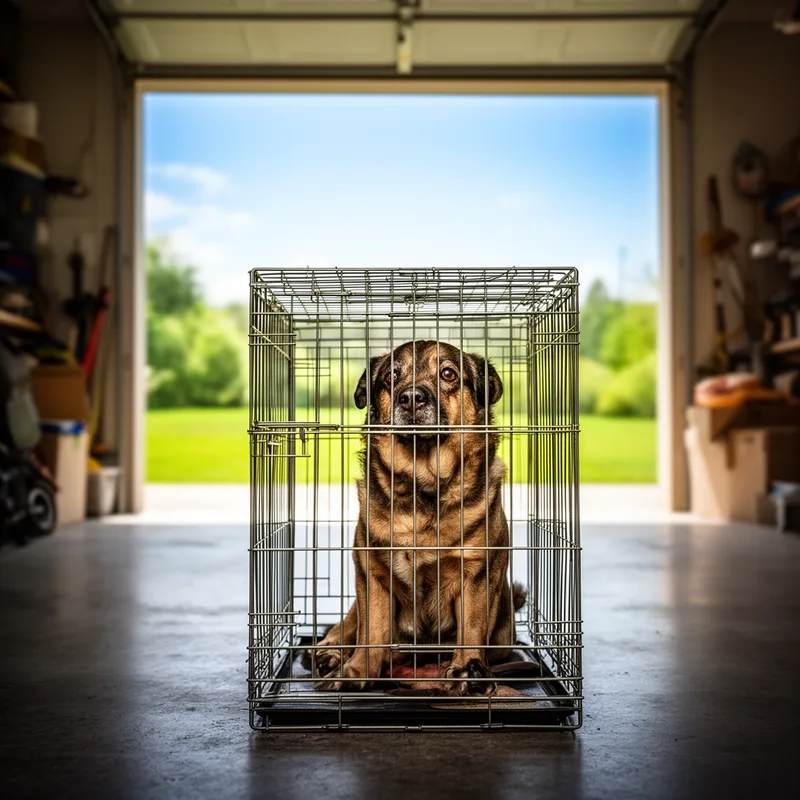
to coop up


 1
6.4
1
6.4
- phrasal verb
- /kuːp ʌp/
- Informal
- The mountains in the north are the place where the aristocrats cooped up their exorcised freaks and loony relatives—their products of consanguineous marriages.
Examples
-
I can't stand being cooped up in here with you cowards a minute longer.
-
Keep him cooped up all day?
-
You see pigs pushed together, cooped up in tiny cages.
-
After a long week of work, I felt cooped up in my tiny apartment and needed to get outside.
-
The children were cooped up indoors all weekend due to the heavy rain.
-
She hated being cooped up in the car for hours during the road trip.
Synonyms
 300
4.0
300
4.0
Put someone or something in a place where they cannot leave, for example a jail
 256
4.2
256
4.2
To keep someone or something apart from others
 46
6.1
46
6.1
To keep someone or something in a small space so they cannot move freely
 40
1.0
40
1.0
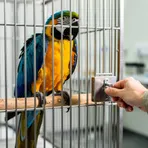
To put a person or animal into a space with bars that keeps them from escaping
 18
8.3
18
8.3
To keep people or animals in a small space so they cannot move freely
 8
4.7
8
4.7
To stop a person or thing from moving, acting freely and making choices
 6
6.7
6
6.7
Surround a person or thing so they cannot leave
 3
9.3
3
9.3
To put someone into a small locked room in a prison or police station
 3
8.6
3
8.6
To shut someone or yourself away from the outside world
 2
5.4
2
5.4
To put someone or something into a small space with bars to stop them moving freely
 2
6.0
2
6.0
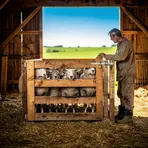
Keep animals or people in a small area
 2
6.7
2
6.7
To keep somebody away from other people
 1
5.6
1
5.6
To put a dog in a place that looks after it while you are away
 1
9.9
1
9.9
To lock someone inside a room or building against their will

To put an animal or person in a cage

To put small animals into a cage to keep them safe

To keep someone in a small space so they cannot leave

Surround something completely so it cannot get out or move
Antonyms


How Confined
- Formal
178
4.2
 300
4.0
300
4.0
- Informal
1
6.4
215
4.2
361
3.1
Surface Forms
Morphology
The meaning 'to confine in a small or restricted space' is directly compositional from 'coop' (to lock or confine) plus the particle 'up', which commonly adds a sense of enclosure or completion in phrasal verbs. This follows standard English verb + up patterns and is a literal, non-metaphorical use, so a B1 learner who knows both constituents should be able to infer the MWE meaning.
Etymology
Coop up comes from the picture of putting animals into a small coop where they cannot move freely. So, being cooped up means 'kept in a small space' or 'feeling trapped'.