

confusing
 276
3.2
276
3.2

- adjective
- /kənˈfjuzɪŋ/
- The teacher's explanation was confusing, making it hard for the students to follow.
- very confusing
- too confusing
- find confusing
Loading YouTube…
Watch on YouTubeSo I thought, OK, that's confusing as well.
- So I thought, OK, that's confusing as well.
- It's very, very confusing, but in a good way.
- I have nothing confusing or clouding my thoughts.
- No, no, the book is just confusing and I don't know.
- And that's indexed to the the simple little witty, confusing question, right?
- I acknowledge it's quite confusing to be a young male right now.
- Other than that, yeah, if anything is confusing, do of course vocalize it.
- They are not these confusing, mysterious beings.
- You know, it's all very confusing and disorienting.
- But it can be madding and confusing unless you know it's happening.
- And wow, what a confusing lot this is.
- And this can be confusing and frustrating and heartbreaking.
- Like this one has been the most confusing thing to me.
- OK, the numbers can be confusing, but the process doesn't have to be.
- And then the magic is just confusing and not really exciting.
- I had these confusing feelings for a guy.
- I feel like that's something that is so confusing to me still.
Examples
-
Mr. King does not leave students to struggle with challenging vocabulary or confusing concepts.
Academic text (2013) -
Research results can often be confusing and difficult to apply to daily teaching.
Academic text (1990) -
It's very, very confusing, but in a good way.
-
Yeah, it's, um... all a bit confusing, really.
-
This is a very exciting, confusing time for your sister.
-
And it's confusing because my whole life is about her.
-
It's a little confusing, but it's nice.
-
Well, the holidays can be confusing for a lot of people.
-
You know, it's just, I'm finding the whole thing just a little confusing.
-
You know, it's all very confusing and disorienting.
Synonyms
 876
5.4
876
5.4
Difficult to understand or deal with because it has many connected parts
 207
3.9
207
3.9
Not easy to understand or know for sure
 52
7.0
52
7.0
Hard to understand or describe, like the meaning of a symbol
 46
8.8
46
8.8
Difficult or impossible to understand
 42
4.6
42
4.6
Hard to understand or explain
 31
8.6
31
8.6
Very complicated and hard to follow, often not needed
 31
7.0
31
7.0
Very surprising or hard to understand
 28
8.2
28
8.2
Hard to understand because it is unclear or complex
 27
6.4
27
6.4
Hard to understand and causing confusion
 16
6.7
16
6.7
Making people feel confused because it is hard to understand
 13
5.2
13
5.2
Causing a lot of confusion and making things hard to understand
 9
6.4
9
6.4
Difficult to understand
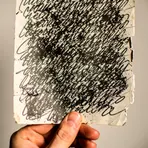 8
8.8
8
8.8
Too hard to read or understand
 1
7.3
1
7.3
Hard to understand or use because it does not follow usual patterns
 1
7.7
1
7.7
Making people confused and things hard to understand


 1
8.2
1
8.2
Not possible to understand or explain

Making something hard to understand or follow

Very hard to understand because it is complicated

Hard to understand or explain

Very hard to understand

Causing confusion on purpose
Antonyms


How Confusing

Surface Forms
Morphology
Etymology
The word confusing comes from Latin parts con- 'together' and fundere 'to pour', so it originally meant 'to pour together' or 'mix up', and you can see the same root in fusion and fuse. That's why something confusing is like ideas poured together and mixed up, making them hard to understand.