

concretization
- noun
- /ˌkɒŋkrɪtəˈzeɪʃən/
- Specialized
- Geologists study the concretization of sediments to understand how certain rock formations develop.
Examples
-
The concretization of minerals in the cave formed beautiful stalactites over thousands of years.
-
Rapid concretization can sometimes block water flow in underground streams.
-
The concretization of minerals happens over thousands of years.
-
I studied the concretization process in geology class.
-
The concretization of minerals over centuries has created unique formations in the canyon.
-
Geologists analyze the concretization process of sediment layers to uncover Earth's history.
-
Through concretization, loose sediments eventually become solid rock over long periods.
Synonyms

 1
4.6
1
4.6

A change in a material when it becomes more solid
 1
6.7
1
6.7
A hard mass that forms when loose material is pressed together
 1
6.8
1
6.8
The change when a liquid or soft thing becomes hard, usually by cooling


 1
6.8
1
6.8
A process that turns a substance into a mineral or adds minerals
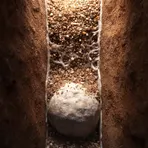
Loose minerals or sediments come together to make a hard mass

The change that turns loose sand or mud into hard rock

Minerals bind small rock or sand grains together to form hard rock
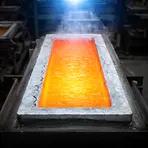
A process of becoming hard when a liquid cools or a wet material dries
How Solid
- Specialized

- Specialized
1
6.7
- Specialized
1
6.5
- Specialized
6
7.2
Surface Forms
Morphology
concretization = concretize (transparent) = concrete + ize + ation
The noun is clearly derived from the verb 'concretize' by the productive nominalizing suffix '-ation'.
Etymology
Concretization comes from Latin parts con- ('together') and crescere ('to grow'), which give a picture of bits joining and becoming one. In geology, minerals slowly 'grow together' into a hard mass, so concretization is the process of things becoming joined and solid.