

to clean up
 333
2.7
333
2.7

- phrasal verb
- /ˈklin ʌp/
- Informal
- Once we finish our project, we will clean up the workspace and return the supplies.
- clean up the mess
- clean up pollution
- clean up waste
Loading YouTube…
Watch on YouTubeSo we're gonna clean up the mess they left for us.
- So we're gonna clean up the mess they left for us.
- So I promise that today we're going to clean up a lot of misunderstanding.
- And then if you aren't treating them well, clean it up really fast.
- I think we have to clean it up faster than that.
Examples
-
We'll pay for the chair, and I'll clean all this up, the pool too.
Fiction book (1995) -
I think the key here is cleaning it up on our end.
-
So we're going to pack and clean up right now.
-
So today I really, really need to clean up this place.
-
I think we have to clean it up faster than that.
-
Would it have killed you to clean up before you left?
-
Get a crew down here and clean this up.
-
- Clean this place up.
-
Second, they need to clean up all the contaminated areas.
-
It's my mess, and I'm gonna clean it up.
Synonyms
 226
3.0
226
3.0
Finish an activity or task
 190
2.0
190
2.0
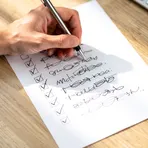
To complete an activity or task
 91
3.1
91
3.1
Remove all things from a place so it becomes empty
 91
3.2
91
3.2
Empty a place or container by removing everything inside
 42
1.0
42
1.0
To make a place neat by putting things away
 32
1.5
32
1.5
Make a room or desk neat by putting things in their right place
 20
3.5
20
3.5
To use up the last of something
 17
3.7
17
3.7
Bring an activity or meeting to an end
 12
2.6
12
2.6
To finish tasks completely so nothing is left
 12
3.2
12
3.2
To make a place tidy and organized
 10
1.8
10
1.8
To take things away from a place to make it tidy
 8
3.0
8
3.0
Remove things from a surface to make it empty or clean
 4
5.7
4
5.7
Finish current tasks and remove problems to prepare for something new
 1
5.8
1
5.8
To clean and tidy a room to make it ready to use


 1
1.0
1
1.0
To remove dirt or mud from a surface
Antonyms

How Complete
∞
1.0

- US
74
3.8
- Informal
333
2.7
226
3.0
- Formal
50
3.9
Surface Forms
Morphology
There is a visible compositional link: 'clean' (to be free from dirt or contaminants, and by extension abstinent) plus 'up' (completion) yields a sense of becoming fully 'clean.' However, the specific sense 'stop using drugs' is a sociolinguistic/metaphorical extension of 'clean' that many B1 learners would not reliably infer from the constituents without prior exposure, so the phrase is only partially predictable.
Etymology
Clean up can mean to finish dealing with something; picture clearing papers and boxes away until everything is in order, with up showing the task is complete. So, it means 'to finish dealing with or put things in order'.