

chelate
- adjective
- /ˈkiːleɪt/
- Specialized
 :
quelífero
:
quelífero
- Scorpions are well known for their large, chelate claws.
Examples
-
The crab's chelate legs help it grasp and manipulate objects with precision.
-
Some insects have chelate appendages that resemble tiny pincers.
-
The crab has a chelate claw that helps it grasp prey.
-
Look at the chelate appendage of that lobster!
-
The mantis shrimp has distinctive chelate claws that allow it to catch its prey effortlessly.
-
Hermit crabs possess chelate limbs which aid them in defending their territory.
-
Many species of spiders have chelate pedipalps that help them grip their food.
Synonyms
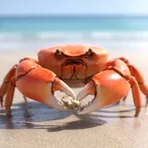
Having pincer-like claws used for holding or grabbing
Compounds
How Pincer-Like


Surface Forms
Morphology
Etymology
Chelate for an appendage comes from the Greek chele meaning 'claw' and simply means 'claw-like' or 'pincer-like', with two parts that can close together. So a chelate appendage is one shaped like a claw that can grasp things.