

chelate
- adjective
- /ˈkiːleɪt/
- Specialized
 :
quelado
:
quelado
- The chelate structure enables the molecule to bind tightly to metal ions.
Examples
-
In coordination chemistry, chelate ligands play a crucial role in stabilizing metal complexes.
-
Some fertilizers contain chelate agents that help plants absorb essential minerals more effectively.
-
Certain antibiotics have chelate properties that can remove heavy metals from the body.
-
The chelate compound was tested for its effectiveness.
-
A chelate structure can enhance the stability of the molecule.
-
The chelate structure allows for efficient delivery of medication in metal ion treatments.
-
Chemists often explore the chelate properties of compounds to enhance their effectiveness in various applications.
Synonyms
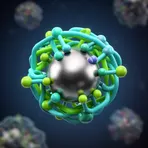
Having a metal atom held by a large molecule at several places
Compounds
Surface Forms
Morphology
Etymology
Chelate as an adjective comes from Greek chele 'claw' and describes a molecule that acts like a claw, holding a metal at two or more points to make a ring. So calling a molecule chelate means it can bind a metal in a strong, ring-shaped way.

