
cavalierism


 1
9.9
1
9.9
- noun
- /ˌkævəˈlɪrɪzəm/
- Archaic
 :
caballerosidad
:
caballerosidad
- Some critics saw his cavalierism as outdated, while others admired his old-fashioned style.
Examples
-
His cavalierism was evident in the way he treated his friends.
-
She admired the cavalierism of the knights in the story.
-
The novel's hero displayed a certain cavalierism that made him both charming and unpredictable.
-
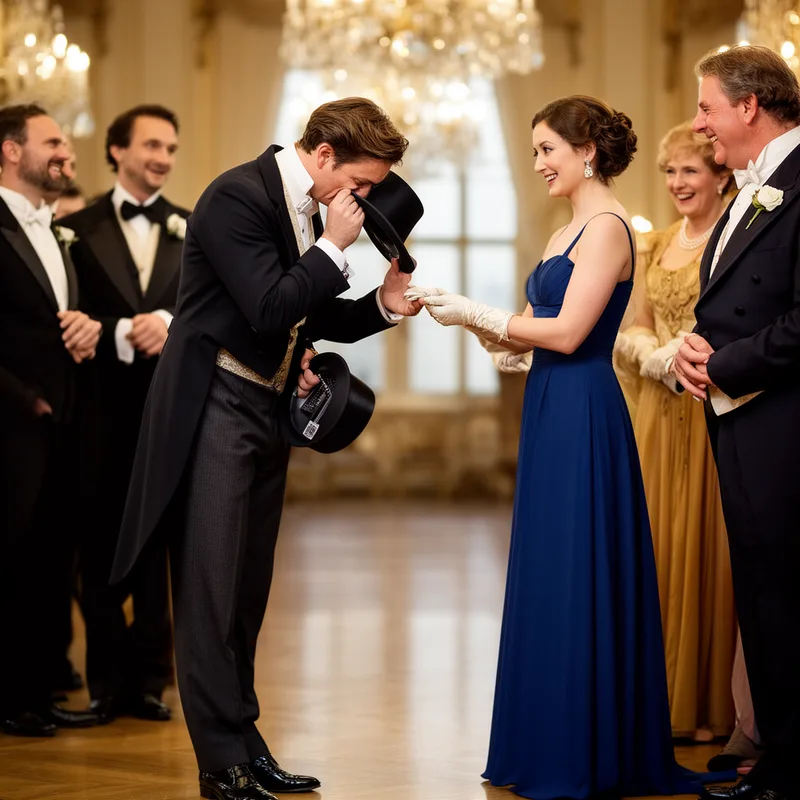
His cavalierism at the ball impressed many of the guests with his bold and courteous manners.
-
His romantic gestures reflected a certain cavalierism that charmed everyone around him.
-
The film's hero depicted cavalierism with his daring rescues and charming personality.
-
She approached every challenge with a sense of cavalierism, showing confidence and flair.
Synonyms
 6
7.4
6
7.4
Rules and ideas knights followed in the Middle Ages, such as bravery and honor
 4
7.3
4
7.3
Polite and respectful behaviour by a man towards a woman
How Gallant
4
7.3

- Literature
1
8.1
- Archaic
1
9.9
26
1.3
32
7.7
Surface Forms
Morphology
Etymology
Cavalierism comes from the word cavalier, which originally meant a 'horseman' and is like the familiar word cavalry. Horsemen were often showy and brave at court, so cavalierism came to mean a bold, gallant style.