
cavalierism
- noun
- /ˌkævəˈlɪrɪzəm/
- Archaic
 :
realismo
:
realismo
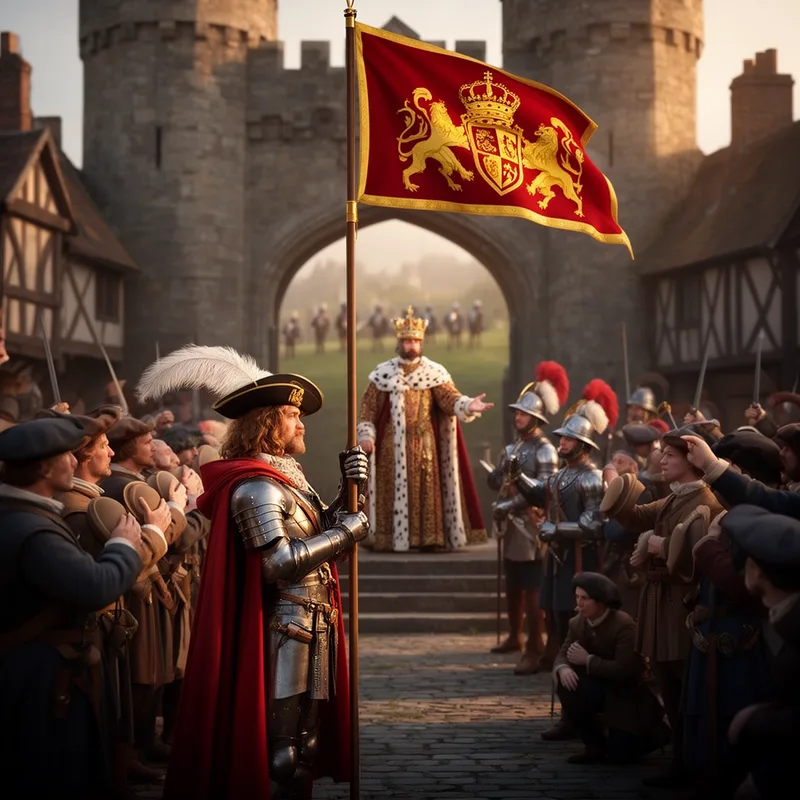
- During the English Civil War, cavalierism represented the unwavering support for the Royalist cause by its followers.
Examples
-
Historians debate how much cavalierism influenced the outcome of the English Civil War.
-
During the 17th century, cavalierism was a defining feature of Royalist strongholds in England.
-
The novel explores themes of cavalierism and loyalty to the monarchy during turbulent times.
-
The cavalierism of Charles I's supporters was evident.
-
Many people admire cavalierism for its boldness and loyalty.
-
Many historians examine cavalierism to understand its role in shaping the political landscape of 17th-century England.
-
The enthusiasm for cavalierism among the Royalist factions signifies their dedication to the monarchy during the conflict.
Synonyms

Support for a king or queen as the country's ruler
How Loyal


Surface Forms
Morphology
Etymology
Cavalierism comes from Cavalier, the name given to royal 'horsemen' in the English Civil War and is related to cavalry meaning 'horse soldiers'. So cavalierism can also mean political support for the Royalists or loyalty to the king.