

carcinoma
 11
5.8
11
5.8

- noun
- /ˌkɑr.sɪˈnoʊ.mə/
- Specialized
- Of the 22 prophylactic cases, five had pathological evidence of carcinoma on final pathology.
- squamous cell carcinoma
- carcinoma cells
- metastatic carcinoma
Loading YouTube…
Watch on YouTubeSo surveillance is really important for the HPV that eventually becomes squamous cell carcinoma.
- So surveillance is really important for the HPV that eventually becomes squamous cell carcinoma.
Examples
-
But I have basal cell carcinoma, which is the most treatable form of skin cancer that there is.
-
Tiffany has renal cell carcinoma.
-
The medical term is brain stem carcinoma, cancer.
-
The good news is that there isn't any sign of any remaining carcinoma.
-
Anne... your biopsy shows that you have carcinoma of the left breast.
-
I knew the pathology report by heart: papillary carcinoma with an unknown primary.
Fiction book (2001) -
A fine needle aspiration of the neck mass revealed squamous cell carcinoma as well.
Academic text (1995) -
Only patients who had biopsy-proven squamous cell carcinoma of the larynx were included in the study.
Academic text (1999) -
We describe what might have been the first reported case of a neuroendocrine carcinoma of the jugular foramen.
Academic text (2008) -
The doctor explained that her diagnosis was squamous cell carcinoma, a common type of skin cancer.
Synonyms
 ∞
2.7
∞
2.7
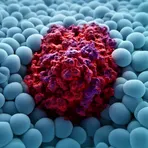
A serious disease in which body cells grow out of control and spread
 5
8.0
5
8.0
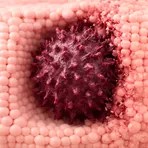
Cancer cells that grow without control and can destroy nearby tissue
 4
5.0
4
5.0
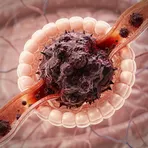
A group of harmful cells that grow and spread in the body
 2
9.6
2
9.6
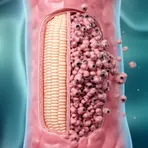
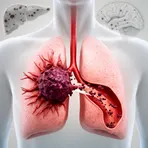
A cancer that starts in the cells of body glands
 1
5.2
1
5.2
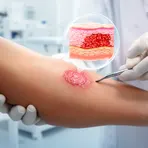
A cancer that grows into nearby tissue and can spread to other parts of the body

 1
4.6
1
4.6
A common skin cancer that starts in the flat cells of the middle and outer layers of skin
 1
8.3
1
8.3
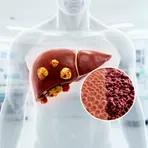
Cancer that starts in the main cells of the liver
 1
9.9
1
9.9
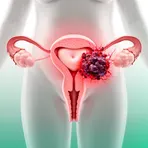
A rare fast-growing cancer that starts in cells that help make babies, often in the uterus or other sex organs
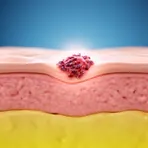
A cancer that starts in the thin tissue covering the body or organs

A cancer that starts in the cells of body glands

A cancer that starts in the lining of the womb
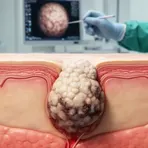
A growth made of skin cells that is often cancerous

A very serious cancer made of small round cells that grows and spreads quickly in the lungs
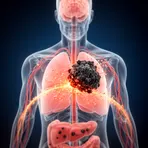
A very dangerous cancer that often starts in the lungs and spreads quickly
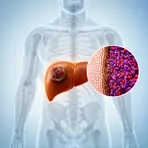
A cancer that starts in the liver cells

A cancer in a testicle that looks like tissue from a very early baby
Antonyms

- Specialized
3
3.4
A growth in the body that is not cancer and does not spread to other parts
Compounds
- Specialized
1
7.4
A group of cancer cells that stay where they started and have not spread to other body parts
- Specialized
1
4.6
A common skin cancer that starts in the flat cells of the middle and outer layers of skin
- Specialized
A cancer in a testicle that looks like tissue from a very early baby
- Archaic
A very dangerous cancer that often starts in the lungs and spreads quickly
- Specialized
A very serious cancer made of small round cells that grows and spreads quickly in the lungs
How Malignant
- Specialized
1
9.9

- Specialized
1
5.1
- Specialized
11
5.8
- Specialized
1
7.4
- Specialized
3
3.4
Surface Forms
Morphology
carcinoma = carcin + oma
Formed from Greek combining elements 'carcin-' and the tumor-forming suffix '-oma', neither of which is a standalone, productive English base, so the meaning is not obvious to an average B1 learner.
Etymology
Carcinoma comes from Greek parts carcino- meaning 'crab' and -oma meaning 'tumor'. Ancient doctors thought some growths had veins that looked like crab legs, so they used the idea of a 'crab' for these illnesses and the same root also appears in the word cancer. So, carcinoma now means a cancerous tumor that starts in the cells that line the body.