

to carbonate
- verb
- /ˈkɑːrbəneɪt/
- Specialized
- To make soda, you need to carbonate the water by adding carbon dioxide.
Examples
-
I've got a container here that I built full of beer that instead of using carbon dioxide to carbonate, I've used argon to argonate it.
-
So, you know, but you can carbonate in one of these.
-
But along the way, I've been collecting parts to fix my hunt and carbonate for years.
-
The manufacturer decided to carbonate the new beverage to enhance its taste and texture.
-
You can carbonate fruit juices at home by mixing them with a carbon dioxide source.
Compounds
- Specialized
 3
3.9
3
3.9

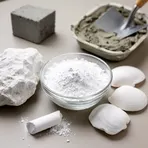
A white material in rocks like chalk and limestone and in shells that people use to make lime and cement
- Specialized
1
5.8
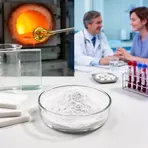
A white powder used to make glass and ceramics and as medicine for bipolar disorder and some depression

- Specialized
1
3.9
A white powder people use for cleaning and for making glass and soap
- Specialized

 1
6.1
1
6.1
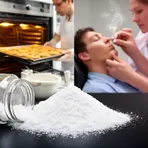
A white solid chemical used in smelling salts and to make bread and cakes rise


- Specialized
A white powder that dries hands for sport and reduces stomach acid
- Specialized
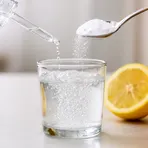
A common chemical salt like baking soda that makes carbon dioxide with acid

- Specialized
A salt that makes cakes rise in baking powder and calms stomach acid

- Specialized
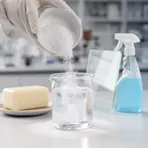
A white powder that dissolves in water and is used to make glass, soap, and cleaners

- Specialized
A white powder used in baking to make dough rise and to stop heartburn

Surface Forms
Morphology
Etymology
Carbonate as a verb is built from carbon and -ate and originally means 'to make into a carbonate'. This usually happens when a material combines with carbon (often from 'carbon dioxide'), so to carbonate something is to change it into a carbonate.