

blood disease
 4
2.8
4
2.8

- noun
- /blʌd dɪˈziːz/
- Doctors have said that my brother has a rare blood disease called hemophilia.
- a rare blood disease
- a hereditary blood disease
- leukemia, a blood disease
Examples
-
Queen Helgda suffered from a blood disease.
-
I have already signed up, along with many others, for Leukemia & Lymphoma fundraising bike rides for next summer, where our goal is millions to fund research and treatment of blood diseases.
Blog text (7) -
You have a rare blood disease.
-
It's a rare blood disease.
-
It's a degenerative congenital blood disease.
-
Admitted to the hospital for some minor surgery on her ear, the doctors belatedly diagnosed a rare blood disease for which there was no known cure.
Fiction book (1994) -
Research with blood stem cells is being used to treat leukemia and other blood diseases such as thalassemia and sickle cell disease.
Academic text (2012) -
Sickle cell anemia is a type of blood disease that affects red blood cells.
-
Many people with a blood disease need regular treatments to manage their condition.
Synonyms
 5
3.5
5
3.5
A health problem that affects the blood, like anemia or leukemia
 2
3.6
2
3.6
A serious illness when germs get into the blood and make you very ill
 1
3.4
1
3.4
A blood condition passed from parents that makes red blood cells crescent-shaped and causes pain


 1
9.9
1
9.9
A blood disease with too many young red blood cells
 1
3.8
1
3.8
A disease in which the body makes too many white blood cells
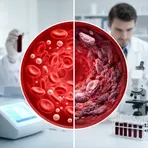
An abnormal change in the blood that affects how it works

A blood disorder where red blood cells have abnormal hemoglobin

A condition where blood does not clot, causing heavy bleeding, often in boys and passed from the mother

Too much hemoglobin in the liquid part of blood
How Severe

Surface Forms
Morphology
The meaning 'a disease or disorder that affects the blood' is directly and compositionally derived from 'blood' (the bodily fluid) + 'disease' (a pathological condition). This is a straightforward noun–noun compound with clear cross-linguistic equivalents, so a B1 learner who knows both constituents will readily understand it.
Etymology
Blood disease comes from the simple idea of naming an illness by the body part it affects: blood + disease literally points to a problem in the blood. So it means 'a disease or disorder that affects the blood'.