
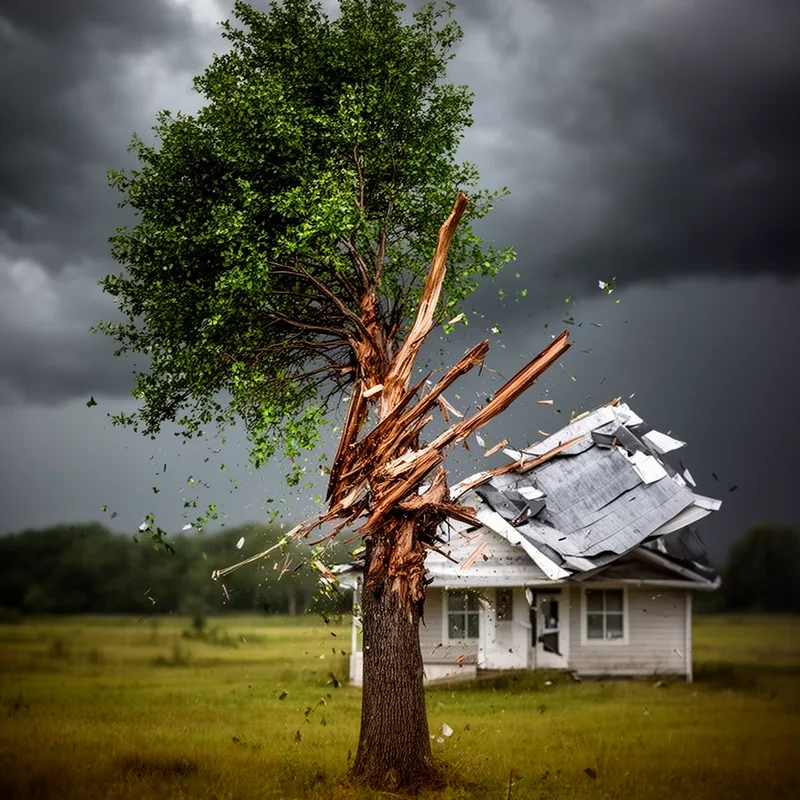
blasting
- adjective
- /ˈblæstɪŋ/
 :
explosivo
:
explosivo
- The demolition crew used blasting techniques to bring down the old building safely.
Today the the the landscape is really blasted.
- Today the the the landscape is really blasted.
Examples
-
After the storm, the blasting winds damaged several trees in the park.
-
It's not, I mean, it needs that violent blasting count basically.
-
The scientists monitored the effects of blasting on the surrounding environment during the construction project.
Synonyms

 233
4.6
233
4.6

Able to burst or cause a sudden violent outburst
 10
7.0
10
7.0
Causing very serious harm to people or businesses
 2
7.7
2
7.7
A strong shock from an explosion or blow that knocks things around
 1
5.6
1
5.6
A very loud, forceful noise that could break things


 1
9.3
1
9.3
That explodes or makes something explode almost at once

Making people, places, or things suffer very severe damage
Antonyms


Compounds
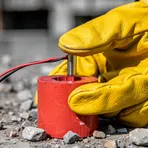
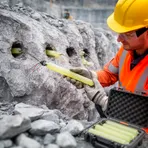
- Specialized
1
8.6
An explosive made from chemicals used to break rock in mines and to destroy buildings
How Destructive
144
7.0
 224
5.1
243
4.2
80
3.1
231
1.0
224
5.1
243
4.2
80
3.1
231
1.0
Surface Forms
Morphology
Etymology
Blasting comes from the old word blast, which meant a strong 'blow' or sudden rush of air and later a violent force that can break things. So when something is described as 'blasting' it means it hits or damages with sudden, heavy force.