

black pine
- noun
- /blæk paɪn/
- The black pine is a popular choice for coastal gardens.
Examples
-
Many landscapers recommend planting black pine near coastal areas because it withstands salty air.
-
In Japanese gardens, the black pine is carefully pruned to enhance its natural beauty.
-
The black pine is a popular choice for city parks due to its tolerance of urban pollution.
-
Many black pines thrive in salty environments.
-
The coastal garden featured several black pine trees that stood resilient against the salty sea breeze.
-
In Japan, the black pine is often used in landscaping for its attractive shape and robustness against pollution.
-
We planted a black pine in our yard because it grows well in urban environments and requires little maintenance.
Synonyms
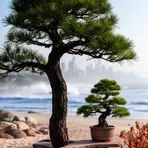
A Japanese pine with long needles in pairs often grown in gardens and for bonsai that resists salt and pollution
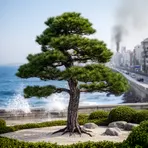
A Japanese pine tree often planted in gardens that can stand salt and pollution
Surface Forms
Morphology
The noun phrase is directly compositional: 'black' modifies 'pine' to denote a pine tree characterized by dark-colored bark or needles, so the meaning can be derived from the constituent words. This straightforward adjective+noun descriptive pattern is common in English and across languages, making it immediately comprehensible to a B1 learner who knows both words.
Etymology
Black pine comes from the tree's dark bark and wood; gardeners in Japan noticed the deep, dark look of the black part of the pine, and that strong image gave the tree its name. That's why the name refers to this kind of pine often used in gardens and near the sea.

