
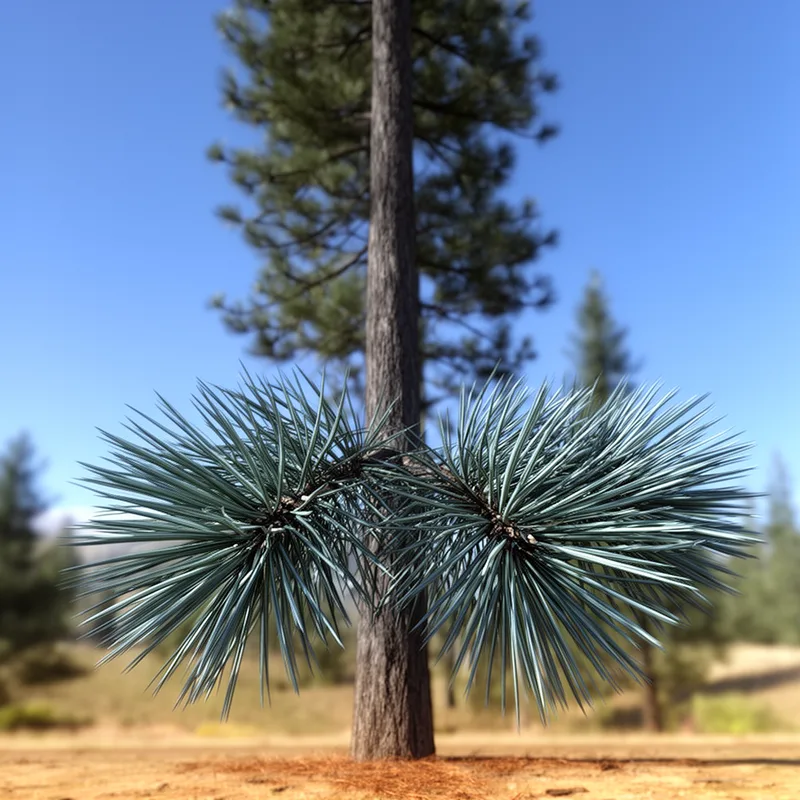
black pine
- noun
- /blæk paɪn/
- US
- Botanists sometimes classify the black pine as a variety of ponderosa pine.
Examples
-
The black pine is noted for its long, slender needles and tall, straight trunk.
-
We saw a beautiful black pine in Yosemite.
-
Many parks in the western United States feature stands of black pine.
-
The black pine is known for its tall stature.
-
Many parks in the western United States feature stands of black pine.
-
The black pine is noted for its long, slender needles and tall, straight trunk.
-
Botanists sometimes classify the black pine as a variety of ponderosa pine.
Synonyms

A tall pine tree with long blue-green needles in groups of three and long cones

A tall pine tree from western North America with long blue-green needles in groups of three and long cones

A tall pine tree from western North America with long blue-green needles in groups of three and large cones
Surface Forms
Morphology
The noun phrase is directly compositional: 'black' modifies 'pine' to denote a pine tree characterized by dark-colored bark or needles, so the meaning can be derived from the constituent words. This straightforward adjective+noun descriptive pattern is common in English and across languages, making it immediately comprehensible to a B1 learner who knows both words.
Etymology
Black pine may come from how groups of these tall trees look from a distance, when the forest appears very dark or almost 'black', so people named that tall pine the black pine. That image helps explain why the name is used for this western kind of pine today.

