
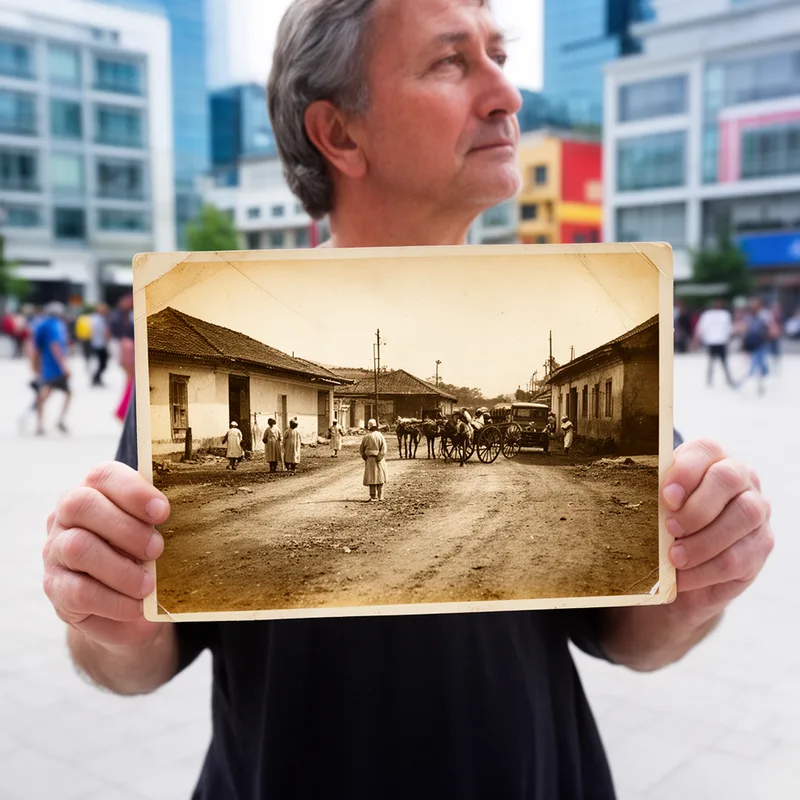
beforetime
- adverb
- /bɪˈfɔrˌtaɪm/
- Archaic
- Many stories speak of heroes who lived beforetime, in a world very different from ours.
Examples
-
In beforetime, people relied heavily on oral traditions.
-
The traditions we follow today were established beforetime by our ancestors.
-
He had traveled to the distant city beforetime, long before it became popular.
-
The village was peaceful in beforetime.
-
In the ancient text, it is said that many great deeds were accomplished beforetime.
-
Legends of warriors and their conquests were told beforetime in the great halls.
-
The world beforetime was filled with mysteries that are lost to our modern understanding.
Synonyms

 ∞
1.0
∞
1.0

At an earlier time
 625
1.1
625
1.1
At an earlier time than now or the time mentioned
 161
1.9
161
1.9
At an earlier time
 9
8.4
9
8.4
From an earlier time and not happening now
 8
9.9
8
9.9
To show that one action happens before another
 4
1.0
4
1.0
Before now or before a set time


 1
9.9
1
9.9
Used in old language to mean in front of someone or before a time

Before now or before a particular event

From earlier times and no longer used to talk about people or things
Antonyms

Surface Forms
Morphology
Etymology
The word beforetime is made from before 'earlier' and time 'a period', so it literally means 'earlier on' or 'formerly'. That's why it is used for something that happened long ago or in old-style writing.