

beech
 5
4.3
5
4.3

- noun
- /biːtʃ/
- Maggie told the gardener to bury the puppy under the beech tree.
- beech tree
- beech bark
- Beech bark disease
Loading YouTube…
Watch on YouTubeAll right, next we have Beech nut.
- All right, next we have Beech nut.
- And for me it's it's goldenrod, ragweed, I think Birch or Beech, one of the two.
- So this product has Beech tree extract and it actually has the high look from acid in it.
Examples
-
A family of squirrels made their home in the sturdy beech tree near the park entrance.
-
As the days warmed, they went biking together through the beech forest just outside the city that had once been the king's domain.
Fiction book (2001) -
Everyone seemed to be gathering at the King Tree, the big beech.
Fiction book (1993) -
Soon enough, a doe wandered between two beech trees.
Fiction book (2002) -
There was a courtyard behind the house with an empty fountain, and huge beech trees ringed a slate-roofed gazebo.
Fiction book (1999) -
Oak trees transformed into orange torches, the maples turned blood-red, and the beech trees became yellow, then as now.
Fiction book (1993) -
Common trees are red spruce and balsam fir, interspersed with such broad-leaved species as American beech and sugar maple.
Academic text (1998) -
The yellow leaves of the beech tree fell softly to the ground in autumn.
-
We enjoyed a picnic under the wide canopy of a large beech tree on a sunny day.
Synonyms
 1
3.0
1
3.0
A large tree with smooth grey bark and small nuts inside a prickly cover

A large European tree often planted in parks with smooth gray bark and leaves with small teeth

A large tree that loses its leaves in winter with smooth gray bark and small toothed leaves
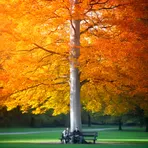
A large European tree with smooth grey bark and bright autumn leaves that people plant for shade in parks

A large tree with shiny purple or copper leaves often planted in gardens

A type of tree with shiny purple or copper-coloured leaves often grown in gardens

A type of beech tree with long drooping branches often grown in gardens

A beech tree from eastern North America with smooth bark and nuts people and animals eat

A North American tree that loses its leaves in autumn, with smooth gray bark and edible nuts

A North American tree with light green leaves and nuts you can eat

A North American tree with light green leaves and edible nuts
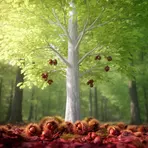
A North American forest tree with light green leaves and edible nuts
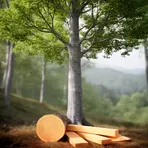
A tree from Japan with soft, light yellow-brown wood
Compounds


- UK
A small animal with brown fur and a pale chest and throat that lives in woods and rocky places

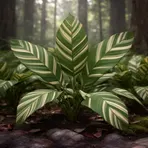
- Specialized
A plant with wide leaves found in North American woods marked by light straw-colored stripes
A large European tree with smooth grey bark and bright autumn leaves that people plant for shade in parks
- Specialized
A North American tree that loses its leaves in autumn, with smooth gray bark and edible nuts
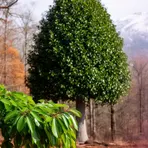
- Australian
A tree from the southern hemisphere with small shiny leaves that stay green all year
A large tree that loses its leaves in winter with smooth gray bark and small toothed leaves


- New Zealand
A tall New Zealand tree with very hard wood used for furniture and building

- Indian
An evergreen tree with shiny leaves and white fragrant flowers that give good shade

- Australian
A large evergreen tree from Tasmania with dark shiny leaves and wood used for furniture
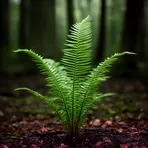

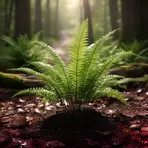
A fern with delicate leaves that grows in moist woodlands of North America and Eurasia
- Specialized
A type of tree with shiny purple or copper-coloured leaves often grown in gardens

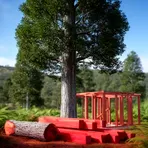
- Australian
A large tree from New Zealand and nearby areas with red wood used for building

A tall South American tree whose leaves fall and whose strong wood is used for furniture


How Big

Surface Forms
Etymology
Beech comes from an old German word bok, the same origin as book, because people long ago used thin pieces of beech wood for writing. So a helpful way to remember beech is to think of the tree that helped make 'books'.