

atretic
- adjective
- /əˈtrɛtɪk/
- Specialized
- Most ovarian follicles become atretic during the reproductive cycle and never release an egg.
Examples
-
Microscopic examination revealed several atretic cells in the sample.
-
The doctor explained that the tissue was atretic and could not function normally.
-
The atretic tissue was unable to function properly.
-
In some cases, atretic cells can lead to serious complications.
-
Most ovarian follicles become atretic during the reproductive cycle, resulting in a failure to release an egg.
-
The doctor explained that the tissue was atretic, indicating it was degenerating and unable to perform its function.
-
Microscopic examination of the sample showed many atretic cells that had failed to develop properly.
Synonyms

 24
7.8
24
7.8

A disease that gets worse over time as parts of the body lose function
 7
9.3
7
9.3
Cannot make new blood cells in bone marrow


 1
7.7
1
7.7
A part of the body that becomes smaller and weaker from illness, injury or lack of use

Having a body part that is much thinner and weaker because it has lost tissue or muscle

Having weak growth in body parts, especially muscles
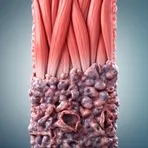
Having cells that lose their normal shape and function

Cells that have lost their usual shape and work and act more like simple cells
Antonyms

How Developed

Surface Forms
Morphology
atretic = atresia (opaque) = a + atret + ic
Standard adjectival formation from the noun 'atresia' using the suffix '-ic'.
Etymology
Atretic comes from the Greek prefix a- meaning 'not' and a root that meant 'opening', so it originally meant 'no opening'. That's why we call tissue or organs atretic when they fail to develop properly or shrink and cannot work normally.