

dedifferentiated
- adjective
- /ˌdiːˌdɪfərənˈteɪtɪd/
- Specialized
- Our analysis supports this idea and confirms that dedifferentiated SCs are more closely related to ES cells than their developmental progenitors, the neural crest.
- dedifferentiated SCs
Examples
-
In some cases, cancerous cells can become dedifferentiated, losing their specific signs and functions.
-
Here we developed a method to isolate pure populations of differentiated and dedifferentiated SCs from their in vivo nerve microenvironment, enabling us to define the molecular profile of both states.
Academic text (2017) -
Researchers found that the dedifferentiated cells shared characteristics with embryonic stem cells.
-
The team's study revealed that many cells could return to a dedifferentiated state, reminiscent of early developmental stages.
Synonyms
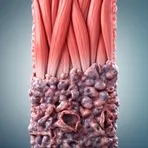
Having cells that lose their normal shape and function
Antonyms

How Differentiated


Surface Forms
Morphology
dedifferentiated = dedifferentiate (semi-transparent) = de + differentiate + ed
Forming the past participle/adjectival form by adding '-ed' to the verb 'dedifferentiate' is a regular and easily recognised process.
Etymology
Dedifferentiated begins with de- meaning 'remove' and the rest comes from differentiated, meaning 'made different or special'. So a dedifferentiated cell has had its special features 'removed' and becomes less specialized in shape or job.