
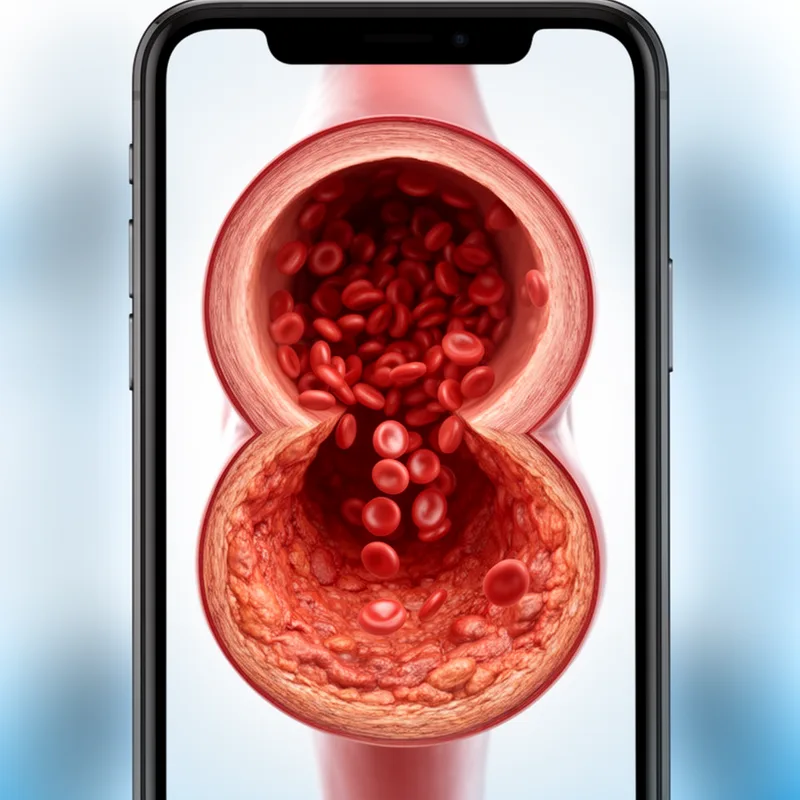
arteriosclerosis
 1
7.4
1
7.4

- noun
- /ˌɑr.tɪ.əˌskoʊrˈlɪs.ɪs/
- Specialized
- Effects of this sedentary lifestyle on the health of children are demonstrated by an increase in both Type II Diabetes and arteriosclerosis (Tremblay, Inman, & Willms, 2000).
- heart disease and arteriosclerosis
- disease and arteriosclerosis
- coronary arteriosclerosis
Loading YouTube…
Watch on YouTubeAs long as we're at this number one on the list, arteriosclerosis being the number one killer, what are the major ways to prevent it?
- As long as we're at this number one on the list, arteriosclerosis being the number one killer, what are the major ways to prevent it?
Examples
-
Lifestyle changes, including a balanced diet and exercise, can help prevent arteriosclerosis and its complications.
-
And an angiogram or a imaging study shows calcific arteriosclerosis, meaning that the blood vessels are calcified.
-
This, together with high levels of stress and raised blood cholesterol levels, could lead to progressive arteriosclerosis.
Academic text (2000) -
Similarly, vessels that lose their plasticity with age, or arteriosclerosis, as well as a tendency towards higher blood pressure to compensate, could be improved, thus preventing stroke.
Blog text (28) -
Weight loss, lowering serum low-density lipoprotein cholesterol (LDL-c), and glucose can prevent the development of arteriosclerosis.
Blog text (22) -
In almost all instances, coronary occlusion results from arteriosclerosis, a degenerative disease of the arteries caused by development of fatty fibrotic deposits in the arterial wall.
-
One in seven people in industrialized countries is now clinically obese, and five of the ten leading causes of death are diet-related: coronary heart disease, some cancers, stroke, diabetes mellitus, and arteriosclerosis.
Academic text (2003) -
Doctors often warn that arteriosclerosis can significantly reduce blood flow to the heart.
-
Regular check-ups are important to detect conditions like arteriosclerosis before they lead to serious health issues.
Synonyms
 6
7.4
6
7.4
A disease where fatty deposits build up inside arteries and make blood flow harder
 1
3.6
1
3.6
The walls of blood vessels become thick and hard, causing less blood to flow
 1
5.6
1
5.6
Hardening and thickening of artery walls that reduces blood flow from the heart
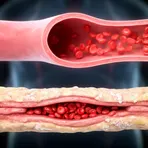
Walls of the main blood vessels become thick and hard, making blood flow harder
Compounds
- Specialized
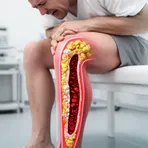
Large blood vessels become thick and hard and block blood flow, often causing leg pain
How Severe
- Specialized

- Specialized
1
7.4
Surface Forms
Morphology
Etymology
Arteriosclerosis comes from arterio- meaning 'artery' and -sclerosis meaning 'hardening'. So arteriosclerosis means 'hardening of the arteries', which explains why the artery walls become thick and stiff and reduce blood flow.