
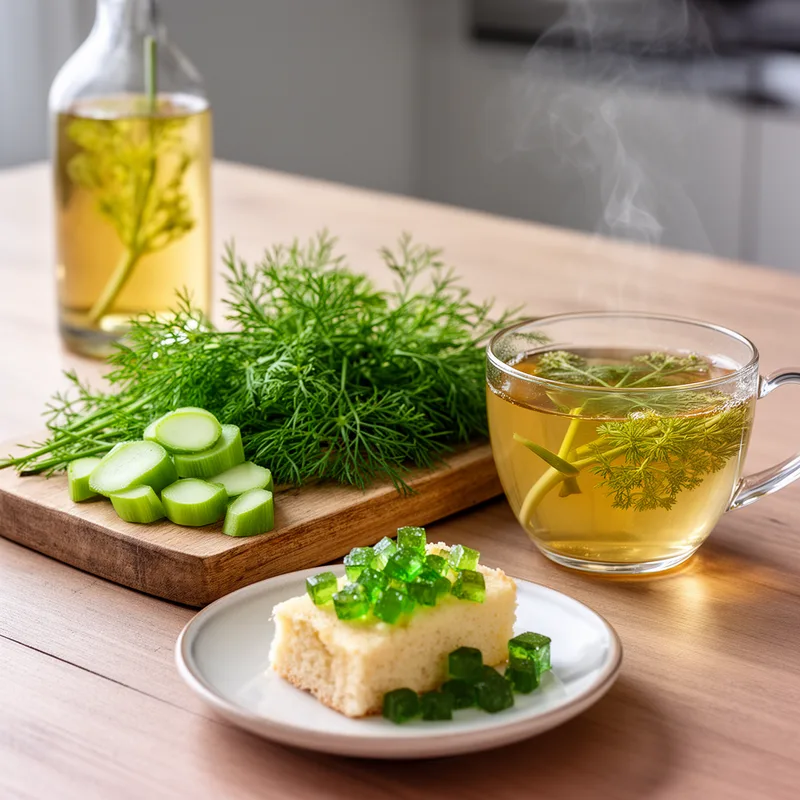
angelica
- noun
- /ˌændʒəˈlɪkə/
- Candied angelica is often used to decorate cakes and pastries.
Examples
-
Purified and blessed sea salt with powdered angelica root.
-
The chef used fresh angelica in her dessert to enhance the flavor.
-
Many people enjoy adding angelica root to their herbal teas for its aromatic qualities.
Synonyms

A tall herb whose stems people candy to eat and whose roots people use to make medicine

A plant people grow for its thick stems and roots that they candy or use as medicine
Compounds
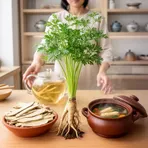

- Specialized
A tall herb whose stems people candy to eat and whose roots people use to make medicine
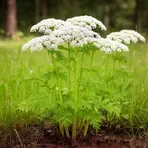
- Specialized
A European wild herb with divided leaves and white flower clusters in damp meadows and woods

A small tree or bush from the eastern United States with spiny stems and clusters of white flowers
- Specialized
A plant people grow for its thick stems and roots that they candy or use as medicine

A small tree or shrub that loses its leaves, with prickly stems and big leaves often grown in gardens

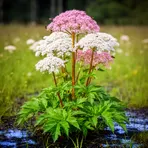
A European plant with many leaves and clusters of small white or pink flowers that grows in wet meadows
How Aromatic


Surface Forms
Etymology
Angelica (the aromatic parts of the plant) takes its name from the root angel meaning 'angel' since people once thought the plant had special, almost 'angelic' healing powers. That's why its stems, leaves and roots became prized for flavoring drinks, sweets and herbal mixes.