

adenosine
 3
7.0
3
7.0

- noun
- /ˌædəˈnoʊsiːn/
- Specialized
- In cases of tachycardia, doctors often prescribe adenosine to slow down the heart's electrical conduction.
Examples
-
If you go to medical school, you'll use adenosine to to figure out people's heart rhythms.
-
Other medications such as adenosine, nicorandil, verapamil, and nitroprusside were also used.
Academic text (2007) -
These drugs include adrenergic agonists (dobutamine), adenosine, digoxin, and anticholinergics.
Academic text (2016) -
The doctor administered adenosine to quickly restore the patient's normal heart rhythm.
-
During the emergency procedure, the nurse injected adenosine to help manage the fast heart rate.
Synonyms


 1
7.2
1
7.2
A medicine that treats or prevents irregular heartbeats

A medicine that prevents or corrects an abnormal heart rhythm
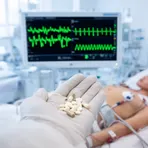
A medicine that prevents or treats abnormal heart rhythms
Compounds

- Specialized
1
4.8
A small molecule in cells that stores energy for cells to use

- Specialized
A protein in animals that changes the chemical adenosine into inosine
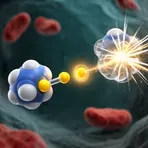
- Specialized
A small molecule with two phosphate groups that cells use to store and release energy

- Specialized
A small molecule in cells that helps store and transfer energy
Surface Forms
Morphology
Etymology
The drug adenosine is the same small chemical the body makes, and its name comes from aden- 'gland' together with adenine; because this chemical can quickly change cell signals, doctors give adenosine to briefly slow the heart and stop certain very fast rhythms.