

acrylic resin
- noun
- /əˈkrɪlɪk ˈrɛzɪn/
- Specialized
- A world of glass and acrylic resin, of weatherproof, featherweight aluminum.
Examples
-
Puls makes many of her sculptures by casting mass-produced objects in blocks of acrylic resin.
-
The first usable acrylic resin dispersion wasn't developed until 1934.
-
Solutions of acrylic resin are frequently used as picture varnishes for oil paintings.
-
You've got to know how to apply diluted acrylic resin to consolidate pigments that are not adhering well.
Synonyms

 26
4.4
26
4.4

A thick sticky substance from plants or made by people for glue and plastic
 7
3.9
7
3.9
A type of plastic used for clear sheets, windows, and fast-drying paints

A hard, clear plastic used for paint, glues, and molding
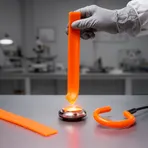
A man-made material that becomes soft when heated and hard when cooled so it can be reshaped many times
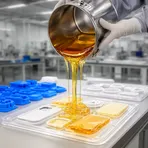
A man-made sticky material used to make plastics
How Rigid

Surface Forms
Morphology
The compound 'acrylic resin' is directly compositional: it denotes a resin made from or based on acrylic. A learner who knows 'acrylic' (a synthetic plastic/paint) and 'resin' (a sticky polymerous substance) can infer this meaning without specialized knowledge. This noun–noun construction is a common, cross-linguistically regular way to name material types, so it is transparent for B1 learners.
Etymology
Acrylic resin names a clear plastic that starts as a sticky liquid and then hardens into a glass-like coat. The parts acrylic (a kind of material) and resin (a sticky liquid that sets hard) explain why artists pour it over paintings and why makers use it to give a glossy, protective finish.