
abrasively
- adverb
- /əˈbreɪsɪvli/
- Specialized
- The artist applied the paint abrasively, creating a textured effect on the canvas.
Examples
-
As the workers moved down the length of the pipe, the completed surface had a shiny, bare metal finish comparable to an abrasively blasted profile.
Academic text (1998) -
All steel below the waterline was abrasively blasted to SSPC SP-10 near white standards, leaving a 2 mil profile.
Academic text (1997) -
The surface of the metal was treated abrasively to enhance its durability and finish.
-
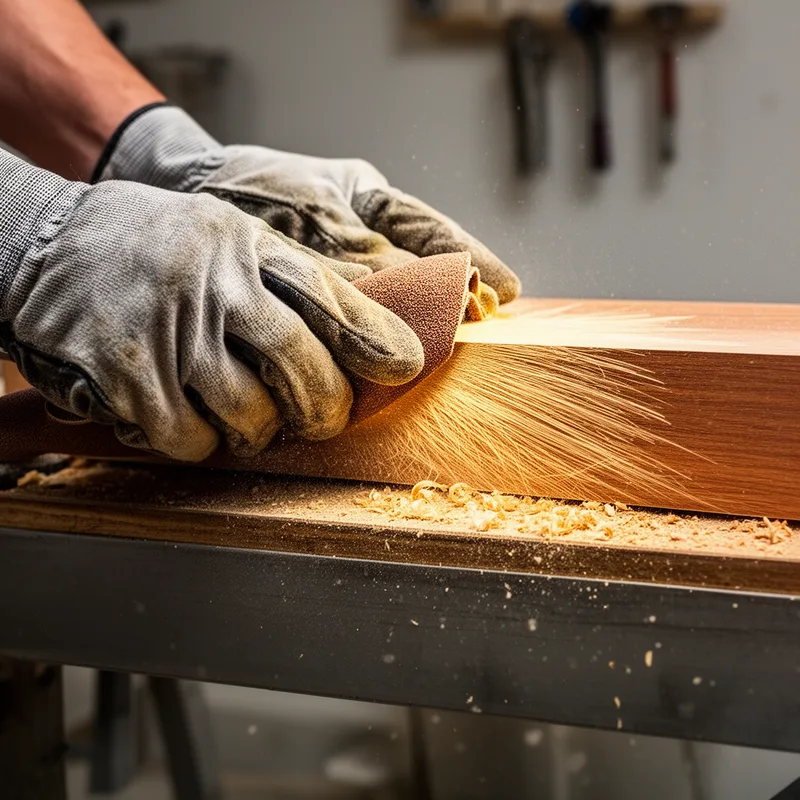
When sandpaper is used, it works abrasively to smooth out rough edges on wood.
Synonyms

Parts rub together so they slow or resist movement

In a harsh, scraping way that sounds like metal rubbing together

In a rough, grainy way like sand on skin
Antonyms



How Abrasive
- Specialized

 86
1.0
86
1.0
Surface Forms
Morphology
Etymology
Abrasively comes from the verb abrade and the old Latin part radere, which means 'to scrape'. An abrasive is a material like sandpaper that rubs a surface to remove or smooth it, so to clean or work on something abrasively is to rub it hard to wear away dirt or the top layer.