
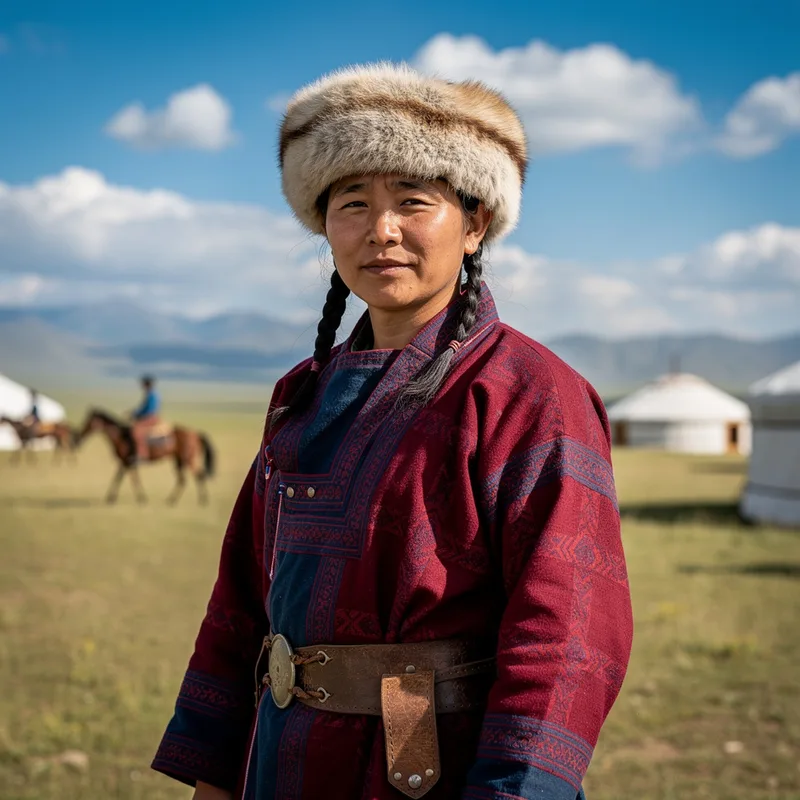
Turanian
 3
9.9
3
9.9

- noun
- /tʊˈreɪniən/
- Archaic
- Legends about the Turanian people are common in the folklore of several countries.
- Turanian mages
Examples
-
The Turanian peoples have a rich cultural heritage.
-
The historian described the migration patterns of ancient Turanian tribes across the steppes.
-
He identified himself as a Turanian due to his family's Central Asian heritage.
-
Many Turanians migrated to different regions over centuries.
-
The ancient Turanian people were known for their unique traditions and beliefs.
-
Historians often debate the characteristics that define a Turanian as a member of a distinct cultural group.
-
Many myths and legends about the Turanian peoples have been passed down through generations.
Synonyms
 7
9.9
7
9.9
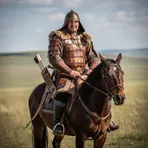
A person from a Mongol group in Central Asia who invaded Russia and Eastern Europe in the 13th century
 3
6.5
3
6.5
A person from Tajikistan or from nearby parts of Central Asia
 2
8.2
2
8.2
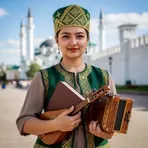
A person from a Turkic-speaking ethnic group mainly in Russia and Central Asia
 1
6.8
1
6.8
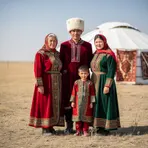
A person from Turkmenistan or from the group native to Central Asia


 1
9.9
1
9.9
A person who speaks a language like Turkish, often from Central Asia
 1
8.9
1
8.9
A person of a Turkic group who lives mainly in Central Asia and the Middle East
 1
8.4
1
8.4
A person from a Turkic group in Turkmenistan and nearby areas
 1
6.5
1
6.5
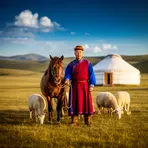
A person from Mongolia or from groups who move with their animals on the grasslands

A person from Turkmenistan or nearby regions who belongs to a Turkic ethnic group

A person from Turkmenistan

A person from Uzbekistan who belongs to a Turkic group
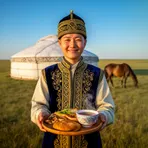
A person from a Turkic people native to Kazakhstan
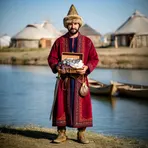
A person from the Khazars, a people of Central Eurasia in the Middle Ages

A person from the Mongolian people of Central Asia who invaded Russia in the 1200s
Surface Forms
Morphology
Turanian = Turan (semi-transparent) = Turan + ian
Derived by adding the standard inhabitant/relational suffix '-ian' to the place-name 'Turan'; the formation is regular but the referent and its classification are historical and specialized.
Etymology
Turanian originally meant 'a person from Turan', a name for parts of Central Asia in old Persian stories. People once used it as a label for certain groups, but this use is now old and often linked to outdated ideas about race.