
Shinto
 4
8.9

- adjective
- /ˈʃɪn.toʊ/
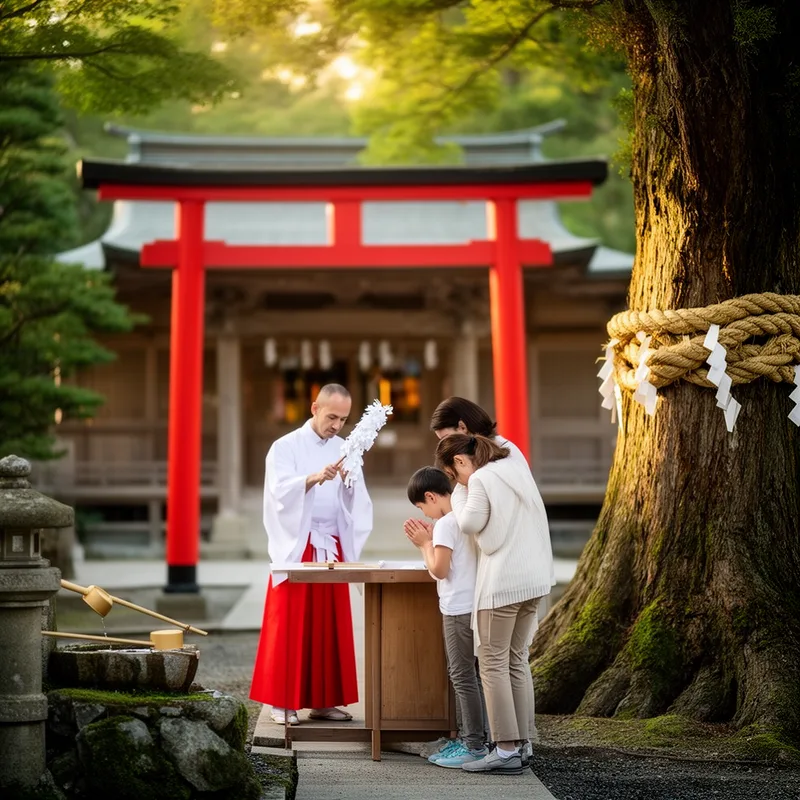
- Two huge, ancient trees are hung with Shinto rice-straw garlands, declaring the presence of kami.
- Shinto shrine
Loading YouTube…
Watch on YouTubeSo it's not that the Shinto shrines.
- So it's not that the Shinto shrines.
Examples
-
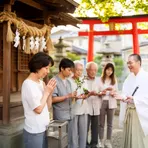
A Shinto priest performed a ritual, chasing demons from the airfield.
Fiction book (1999) -
Japanese make wishes at Shinto shrines and Buddhist temples before school exams or the birth of a child.
Fiction book (1996) -
Because a lot of my fans have asked to hear more about maybe that Shinto influence because they see some of that influence in her recommendations.
-
The ground purification ceremony was performed by a Shinto priest for the construction of a Christian church.
Academic text (1990) -
An Omamori, which is a protective amulet in Japanese Shinto religion.
Blog text (34) -
The next item up for bid is an exquisite Japanese carving, circa 1700, a rare relief of a Shinto goddess very richly detailed.
-
Things considered typically Japanese even today—like rice farming, architectural styles in Shinto temples, and religious symbolism—first appeared with the Yayoi.
Academic text (2008) -
The festival celebrated the Shinto traditions that honor kami and nature.
-
She wore a traditional dress while participating in a Shinto ceremony.
-
He learned about Shinto beliefs during his visit to a shrine in Japan.
Synonyms

 1
8.7
Relating to the traditional Japanese religion that honors spirits called kami
Relating to the traditional Japanese religion Shinto and its ceremonies
Compounds
A form of Shinto that the state supported as Japan's official religion from the Meiji era until World War II
- Specialized
Groups of Shinto believers in Japan that focus on local and personal practices
Surface Forms
Etymology
The word Shinto comes from Japanese parts shin meaning 'god' or 'spirit' and to meaning 'way' or 'path', so it means 'the way of the gods'. That's why we use Shinto to describe things connected to this religion, like shrines and rituals.