
Shintoistic
- adjective
- /ʃɪnˈtoʊɪstɪk/
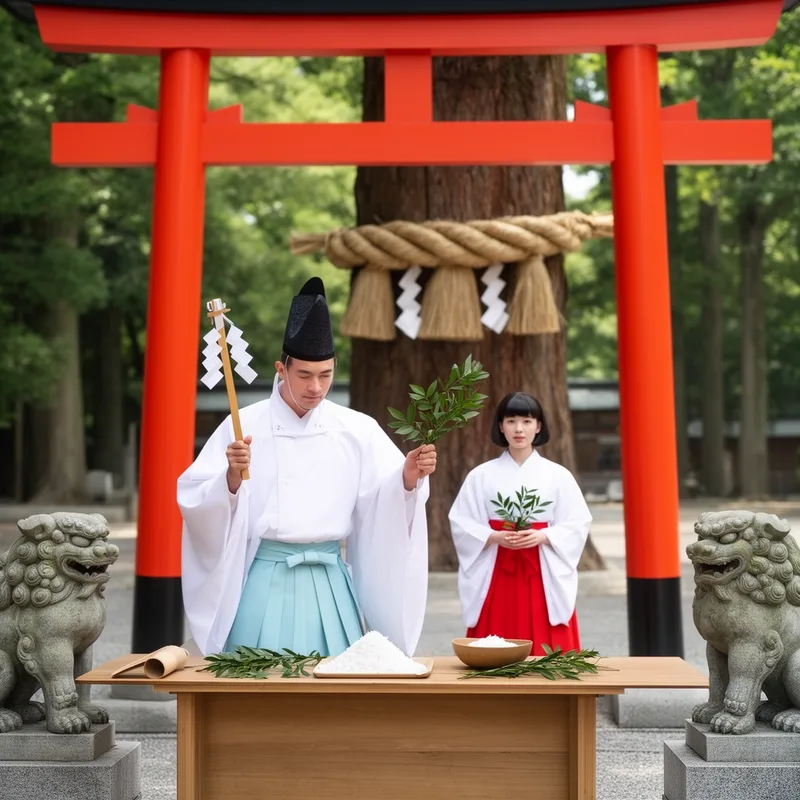
- The ceremony followed traditional Shintoistic practices honoring the spirits of nature.
Examples
-
The Shintoistic rituals at the shrine are observed during important festivals.
-
Many gardens in Japan have a Shintoistic influence, with sacred stones and torii gates.
-
The Shintoistic rituals are deeply rooted in Japanese culture.
-
Many Shintoistic practices involve purification before worship.
-
The Shintoistic rituals at the shrine are observed during important festivals.
-
The ceremony followed traditional Shintoistic practices honoring the spirits of nature.
-
Many gardens in Japan have a Shintoistic influence, with sacred stones and torii gates.
Synonyms
 4
8.9

Relating to the Japanese religion that honors nature spirits and ancestors

 1
8.7
Relating to the traditional Japanese religion that honors spirits called kami
Surface Forms
Morphology
Shintoistic = Shinto (transparent) = Shinto + istic
The adjective is clearly formed from the religion name 'Shinto' with the productive suffix '-istic' meaning 'relating to'.
Etymology
Shintoistic comes from the Japanese word Shinto, which means 'the way of the gods' and is made of shin 'god' and to 'way'. So, Shintoistic describes things that come from or show the Shinto religion.