
Saponaria
- noun
- /səˈpɒnəriə/
- Specialized
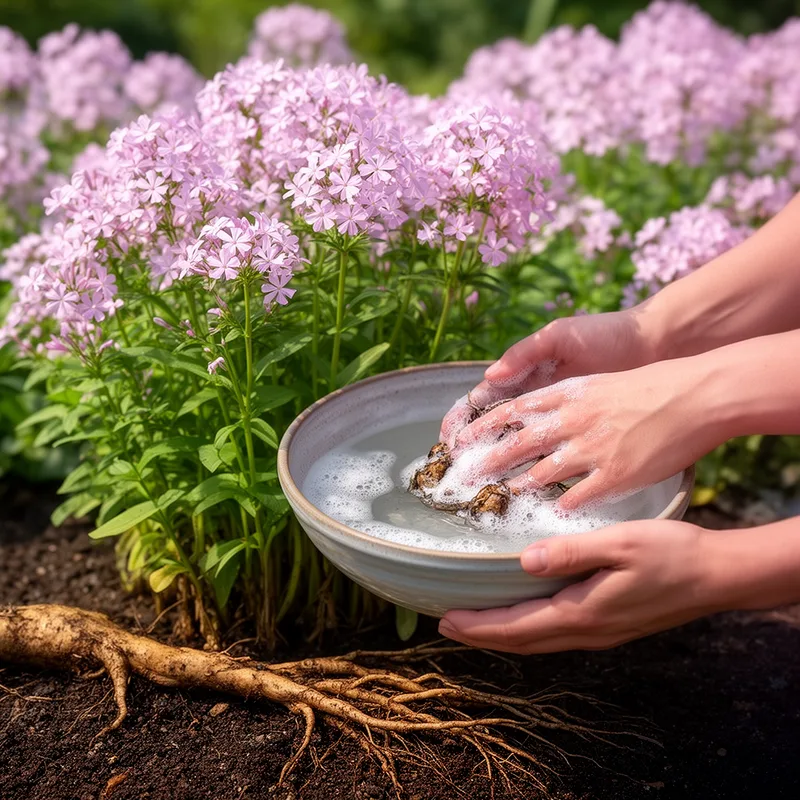
- The roots of Saponaria have been used historically as a gentle soap alternative.
Examples
-
Several species within the Saponaria genus are cultivated for their attractive flowers.
-
Researchers are studying the medicinal properties of extracts from Saponaria plants.
-
The Saponaria plant is known for its soap-like properties.
-
Many gardeners appreciate Saponaria for its beautiful flowers.
-
The roots of Saponaria have been used historically as a gentle soap alternative.
-
Researchers are studying the medicinal properties of extracts from Saponaria plants.
-
Several species within the Saponaria genus are cultivated for their attractive flowers.
Synonyms


 1
9.9
1
9.9
A plant with pink or white flowers whose crushed leaves make a natural soap
Compounds

- Specialized
A plant that lives many years and grows in wet woods with blue flowers like soapwort
- Specialized
An evergreen tree from tropical America with fruit used as a natural soap
- Specialized
A garden plant with pink or white flowers whose leaves and roots make a natural soap

- Specialized
An annual plant from Europe with pale pink flowers often grown in gardens and sometimes a weed
Surface Forms
Etymology
Saponaria comes from the Latin root sapo meaning 'soap'. These plants were often used to make a soapy lather, so the name is a handy reminder that Saponaria is the 'soap' plant or soapwort.