
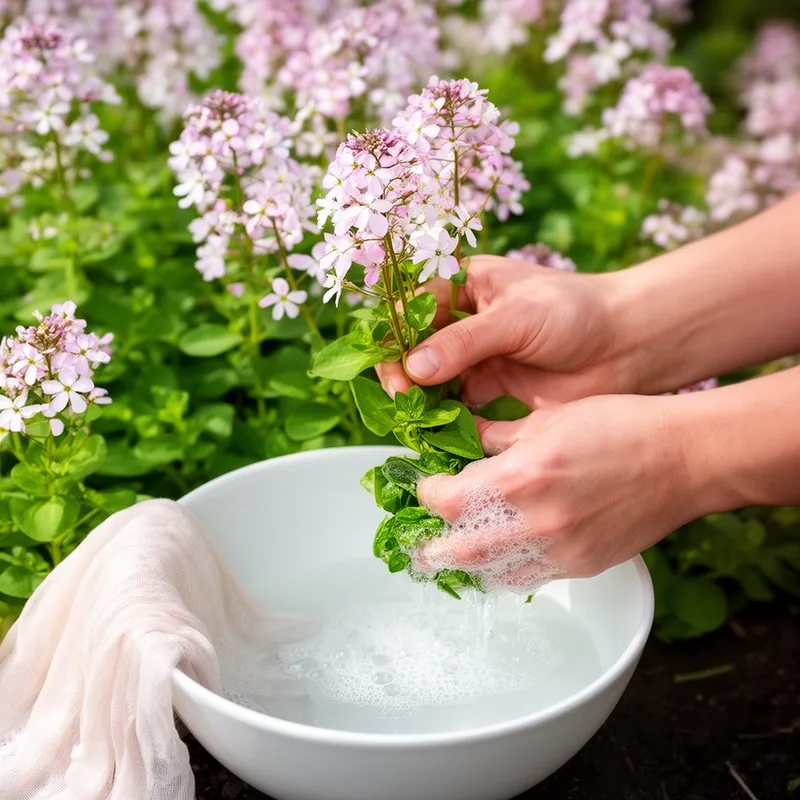
soapwort


 1
9.9
1
9.9
- noun
- /ˈsoʊpˌwɔrt/
- Farmers use soapwort to create gentle, biodegradable cleansers for their tools.
Examples
-
In the garden, the colorful blooms of soapwort attract many bees and butterflies.
-
When the leaves of soapwort are crushed, they release a natural soap-like substance.
-
Anyone know about soap nuts or another plant, soapwort?
Blog text (18) -
But it was really kind of made famous, if you like, during the Roman Empire when soapwort used to be planted all around the Roman baths.
Synonyms

A plant with pink or white flowers whose crushed leaves make a soap-like liquid
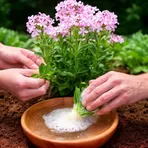
A garden plant with pink or white flowers whose leaves and roots make a natural soap

A plant from Europe with pink or white flowers whose leaves make soap when crushed
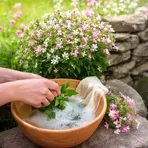
A plant with pink or white flowers whose leaves make natural soap when crushed
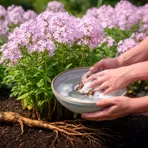
Plants that live for several years and make a light soapy lather when mixed with water
Compounds

Surface Forms
Morphology
Etymology
The word soapwort is simply soap + wort, where wort is an old word for 'plant' or 'herb'. The plant's leaves give a soapy liquid when crushed, so the name is literally a 'soap plant', which explains why people use it as a gentle natural cleaner.