

Phaseolus


 1
9.2
1
9.2
- noun
- /ˈfeɪziələs/
- Specialized
- Many gardeners enjoy growing Phaseolus beans because they are easy to cultivate and provide a good source of protein.
- Phaseolus beans
Examples
-
Perennial Phaseolus beans.
Blog text (1) -
The common bean (Phaseolus vulgaris) is the principal source of protein in the diet of the poor in Latin America.
Academic text (1993) -
There are varieties that have been bred for millennia as crop plants, but I don't recommend trying to eat the wild ancestral varieties, as they are likely very toxic (I know wild Phaseolus lunatus is).
Blog text (14) -
Phaseolus vulgaris is widely cultivated for its nutritious beans, commonly used in various dishes around the world.
-
In Latin America, Phaseolus beans play a vital role in traditional cuisine, especially in dishes like chili and soup.
Synonyms

A group of bean plants like kidney and pinto beans that grow in warm places
Compounds
- Specialized
A group of bean plants like kidney and pinto beans that grow in warm places


- Specialized
A climbing bean plant from tropical America that lives for several years and has red flowers and edible pods


- Specialized
A small Indian bean plant that people grow for food and to make soil better
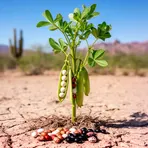
- Specialized
A drought-resistant bean plant from the southwestern United States and Mexico that grows small round beans in different colors

- Specialized
A bushy plant grown in East Asia for its small red beans used for food

- Specialized
A climbing vine with spiral yellow and purple flowers that smell sweet

Surface Forms
Etymology
The word Phaseolus comes from an old Latin and Greek word phaselus that meant 'small bean' or 'cowpea'. So Phaseolus is the scientific name for the bean plants we eat, like kidney, pinto, and black beans.