

Lapp
- noun
- NSFW
- She studied traditional folklore written in Lapp while living in Finland.
Examples
-
The Lapp language is rich in history.
-
The Lapp language is still taught in some schools in northern Scandinavia.
-
Many linguists prefer the term 'Sámi' to 'Lapp' when referring to the language.
-
Do you know any words in Lapp?
-
The Sámi language, traditionally referred to as Lapp, is an important part of their cultural heritage.
-
In northern Scandinavia, many people still speak Lapp, which connects them to their ancestors.
-
The signs in the village were written in Lapp to honor the local Sámi community.
Synonyms

 1
9.9
1
9.9

A language spoken by the Sámi people in northern Scandinavia and northwest Russia


 1
9.8
1
9.8
A northern European language spoken by the Saami people in Norway, Sweden, Finland, and Russia
 1
9.9
1
9.9
The language spoken by Sami people in northern Scandinavia and northwest Russia

A language spoken by the Sami people in northern Scandinavia

A language spoken by the native people of northern Scandinavia and Russia

The language spoken by the native people of northern Scandinavia and parts of Russia

A group of related languages spoken by the Sami people in northern Norway, Sweden, Finland, and Russia

A group of related languages spoken by the Sami people in northern Scandinavia and northwest Russia
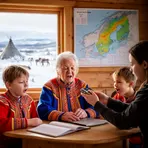
A language spoken by the Sami people in northern Scandinavia and the Kola Peninsula
Languages spoken by the Sámi people in northern Scandinavia, Finland, and Russia

A language spoken by the Sámi people in northern Europe

A language spoken by the Sami people in northern Europe
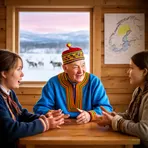
A language spoken by the Sami people in northern Europe
Compounds
- NSFW
A language spoken by the Sami people in northern Scandinavia and the Kola Peninsula
Surface Forms
Etymology
Lapp for the Sámi language probably comes from the place name Lappi, the Finnish name for the north, or from an old word meaning 'patch', perhaps for patchwork clothes. So remember: it once named the language of people from Lapland, but today the correct name is Sámi and Lapp is now seen as old or offensive.