

Inca
 23
5.8
23
5.8

- proper noun
- /ˈɪŋkə/
- How do you think the Incas got their potatoes?
- Inca Empire
- Inca women
- Inca capital Cuzco
Loading YouTube…
Watch on YouTubeIf the Inca had to face Aztec, who wins Inca?
- If the Inca had to face Aztec, who wins Inca?
- And my little Inca guide says we've been drilling oil here for thousands of years, asshole.
Examples
-
And all that Inca gold that Pizarro took out of Peru.
-
Machu Picchu was built by the Incas in the 1450s.
-
The Spanish built it on top of an old Inca temple.
-
The gold which the Incas valued more than anything else.
-
"Tomorrow let's go on bikes to the Inca ruins," she said.
Fiction book (2000) -
I read that it came from the ancient Incas.
-
At the time of the Spanish arrival, the Incas were still in the process of imperial expansion.
Academic text (1999) -
Among the rulers and nobility of the Inca Empire, polygamy was the typical form of marriage.
Academic text (1999) -
The semi-arid highlands were the center of the far-flung Inca empire, Tahuantinsuyu, that extended from today's Chile to Colombia.
Academic text (2002) -
In the 15th century, the Inca Empire expanded across much of South America.
Synonyms
 1
7.9
1
7.9
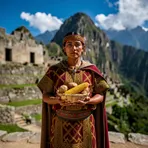
A person from the Inca people who lived near Cuzco in Peru


 1
8.6
1
8.6
A person from the Quechua people near Cuzco who built a large empire in the Andes before the Spanish conquest
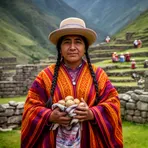
A person from the native people of the Andes who once ruled in the Inca Empire

A person from a native people in Peru who was once part of the Inca ruling class
Surface Forms
Etymology
Inca comes from the Quechua word inka, meaning 'ruler' or 'lord', and the name was used for the whole South American empire, so Inca now names both the people and their culture.