
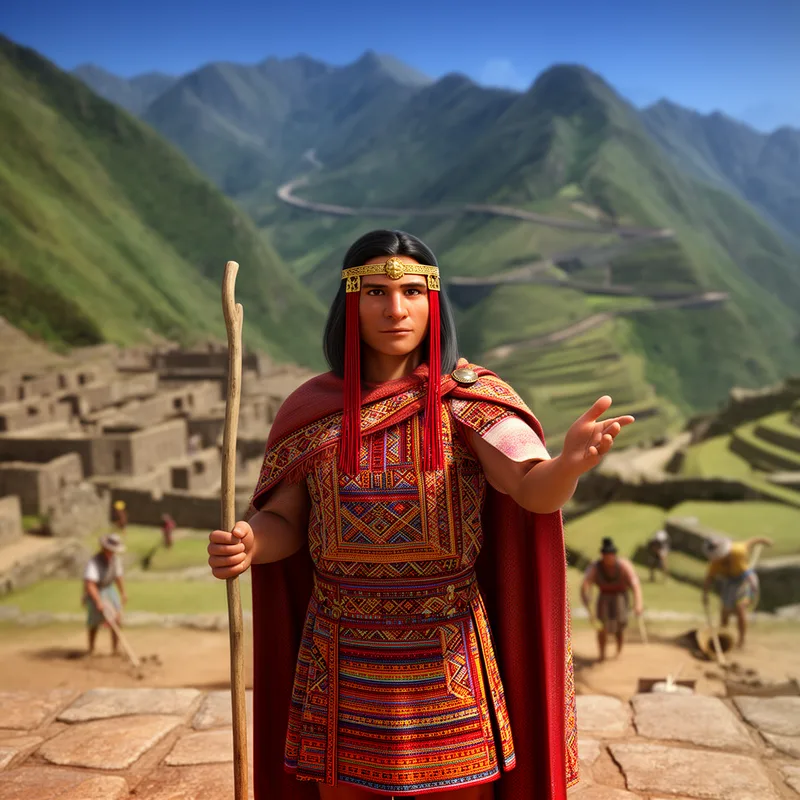
Inka


 1
8.6
1
8.6
- proper noun
- /ˈɪŋkə/
- Many modern Quechua-speaking people are proud of their Inka heritage and the vast empire their ancestors built.
- Inka architecture
- Inka masonry
- Inka order
Examples
-
Since Rowe first defined the two basic styles of Inka masonry, scholars have worked to refine its types and categories.
Academic text (2007) -
Such architecture declared the Inka presence wherever buildings in this style stood.
Academic text (2007) -
All of these forms recall the character of the Inka built environment, bringing to mind Inka order.
Academic text (2007) -
We also see the powerful act of conjoining through which the Inka world was produced.
Academic text (2007) -
Living rock, once merged with an Inka structure, is this relationship made visible.
Academic text (2007) -
So long as the rocks remain, Inka order will endure.
Academic text (2007) -
In fact, Inka construction in many places went further than declaring Inka control over acquired territories.
Academic text (2007) -
As a consequence, integrated outcrops spoke to Inka ownership of specific territories.
Academic text (2007) -
Once thoroughly incorporated into the settlement, they present evidence of the Inka's civilizing presence.
Academic text (2007) -
Yet Tawantinsuyu is an Inka construct that, in its very creation, involved reordering much of the Andes.
Academic text (2007)
Synonyms

A person who lived in the empire that ruled Peru before the Spanish came
A person from the native people of the Andes who once ruled in the Inca Empire

A person from a native people in Peru who was once part of the Inca ruling class
Surface Forms
Etymology
Inka comes from the Quechua word inka, which meant 'ruler' or 'lord' and was the title of the empire's leaders. That's why Inka names the people who built the great Andean empire.