
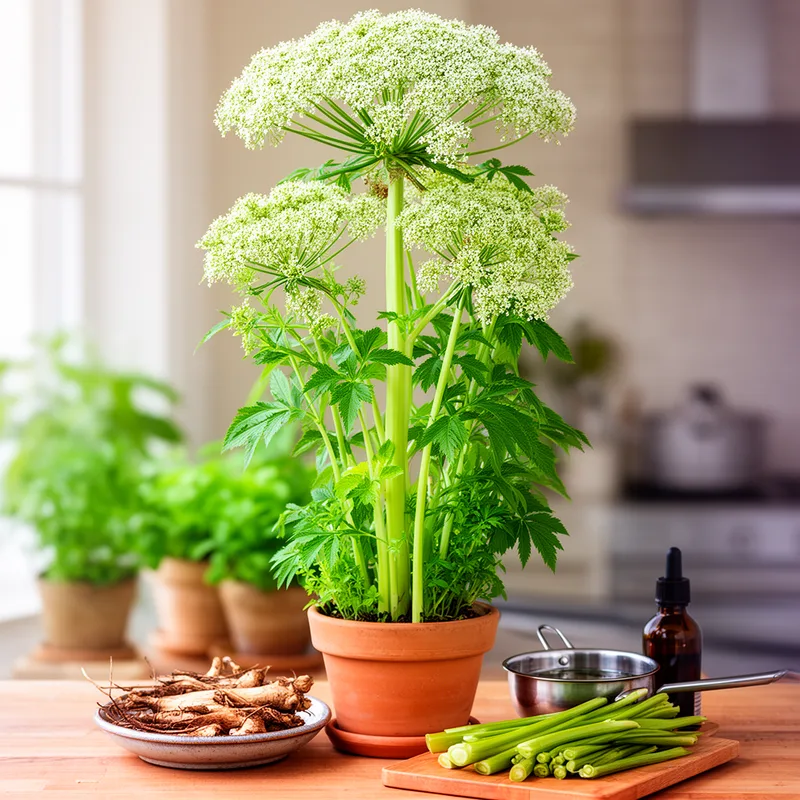
Angelica


 1
7.4
- noun
- /ˈændʒəlɪkə/
- Specialized
- Some gardeners cultivate Angelica for its ornamental umbels of white or greenish flowers.
Examples
-
The root of Angelica has been used in traditional herbal remedies.
-
The chef used fresh Angelica in the dessert.
-
Angelica is often grown for its aromatic stems, which are used to flavor liqueurs.
-
Many herbalists recommend Angelica for its medicinal properties.
-
In herbal medicine, Angelica is often used to treat digestive issues and improve circulation.
-
The chef added Angelica to the dish for its unique flavor and aromatic qualities.
-
To make the traditional Italian cake, they included candied Angelica for a touch of sweetness and color.
Compounds

- Specialized
1
9.2
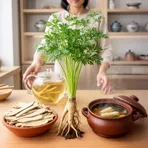
A tall herb whose stems people candy to eat and whose roots people use to make medicine

- Specialized
1
8.2
A plant people grow for its thick stems and roots that they candy or use as medicine

- Specialized
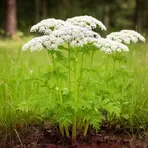
A European wild herb with divided leaves and white flower clusters in damp meadows and woods

A small tree or bush from the eastern United States with spiny stems and clusters of white flowers

A small tree or shrub that loses its leaves, with prickly stems and big leaves often grown in gardens

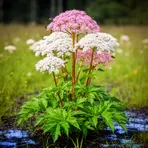
A European plant with many leaves and clusters of small white or pink flowers that grows in wet meadows
Surface Forms
Etymology
Angelica comes from the root angel, which means 'angel' or 'heavenly', because one popular story says an angel showed people the plant's healing use. So the name helps you remember that Angelica is a plant long used in medicine and to flavor food.