
American hornbeam
- noun
- /əˈmɛrɪkən ˈhɔrnˌbiːm/
- US
- Many American hornbeams grow in the park.
Examples
-
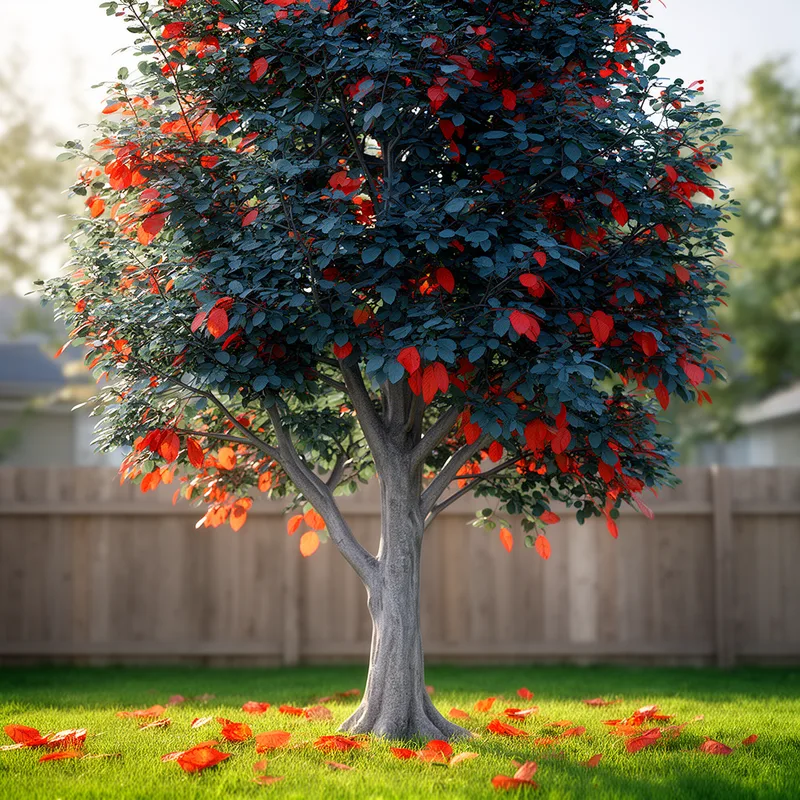
The smooth, muscular bark of the American hornbeam sets it apart from other native trees.
-
We planted an American hornbeam near the back fence for extra shade.
-
The American hornbeam is prized for its vibrant autumn foliage in many gardens across the country.
-
The American hornbeam is a beautiful tree.
-
The American hornbeam is known for its smooth grey bark and vibrant autumn leaves.
-
In parks across the eastern United States, the American hornbeam adds beauty with its red-orange foliage in fall.
-
Wildlife often seeks shelter among the sturdy branches of the American hornbeam, particularly during the autumn season.
Synonyms

A small North American tree with smooth grey bark and blue-green leaves that turn red-orange in autumn, called American hornbeam
Surface Forms
Morphology
The meaning 'a North American tree' is directly and compositionally derived from 'American' (relating to the Americas) modifying 'hornbeam' (a type of tree). This adjectival origin + noun pattern is cross-linguistically common and therefore immediately understandable to a B1 learner who knows both constituents.
Etymology
The name American hornbeam comes from a simple picture: its wood is very hard, like a horn, and beam once meant 'tree', so people put the words together. That's why the name points to a strong, hard-wood tree found in America.

