
Carpinus caroliniana
- noun
- Specialized
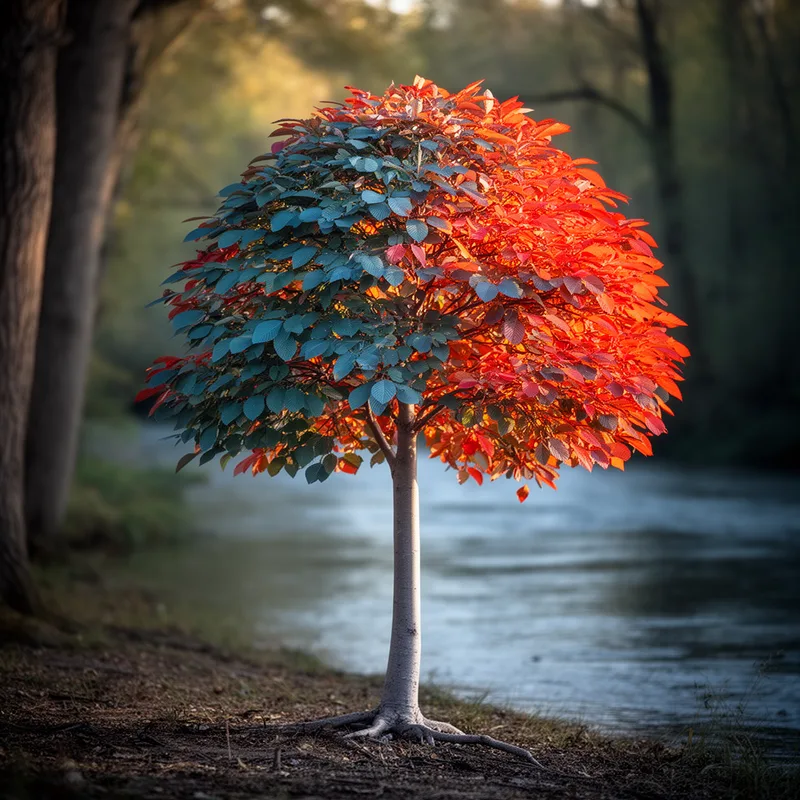
- In the autumn, the leaves of Carpinus caroliniana turn brilliant shades of red and orange.
Examples
-
The Carpinus caroliniana is known for its smooth grey bark.
-
The shady grove featured a magnificent Carpinus caroliniana near the riverbank.
-
Gardeners often appreciate Carpinus caroliniana for its attractive smooth bark and dense foliage.
-
Look at that stunning Carpinus caroliniana!
-
Gardeners often appreciate Carpinus caroliniana for its attractive smooth bark and dense foliage.
-
In the autumn, the leaves of Carpinus caroliniana turn brilliant shades of red and orange.
-
The shady grove featured a magnificent Carpinus caroliniana near the riverbank.
Synonyms

A North American tree with smooth grey bark and blue-green leaves that turn red-orange in autumn
Surface Forms
Morphology
Carpinus + caroliniana
This is a Latin binomial combining the genus name 'Carpinus' (a hornbeam) with a specific epithet 'caroliniana' that signals a geographic/derivative sense (from Carolina). If a learner knows botanical naming conventions or understands that the epithet marks a species origin, they can infer it denotes a species of Carpinus (the American hornbeam); however, that taxonomic/Latin knowledge is not part of typical B1 vocabulary, so the relation is only partially transparent.
Etymology
Carpinus caroliniana comes from old Latin and tells a simple story: Carpinus is the Latin name for the hornbeam, a tree with very hard wood like 'horn', and caroliniana means 'from Carolina' in America. So the name basically says 'the American hornbeam', which fits this small tree with smooth grey bark and red-orange autumn leaves.

