
wold


 1
9.9
1
9.9
- noun
- /woʊld/
- Archaic
- All of the content I've covered so far hasn't just been good; it's been epic: mounted combat, 7.2, the first series of quests in The Wold, the new landscapes, the new music, the new mobs.
Examples
-
lt wold ruin the whole thing.
-
The men of the Wold stand ready to fight.
-
You are living in a wold of guilt.
-
I will take your life there in order for it to be a lesson to the entire wold
-
[Wold]
-
[Wold]
-
It ended up being a cave in the western foothills of the Wold, west of the swamps.
Blog text (19) -
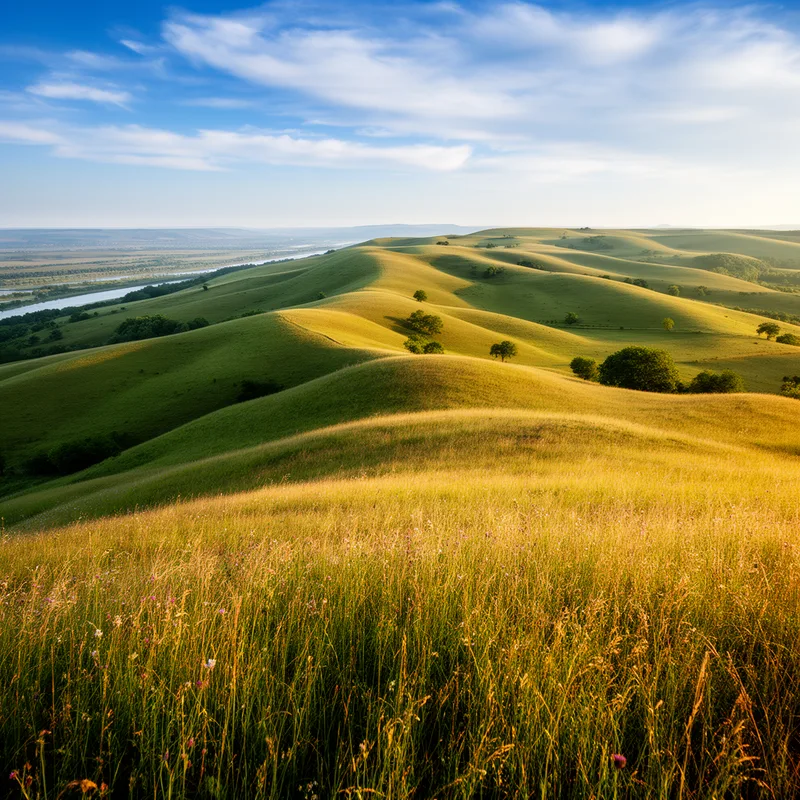
The hikers enjoyed the breathtaking views as they walked across the rolling wold in the countryside.
-
We spent the afternoon exploring the open wold, where wildflowers blanketed the ground.
-
The vast wold stretched out before us, a picturesque landscape of gentle hills and grazing sheep.
Synonyms
 3
7.2
3
7.2
An open area of land with low shrubs and coarse grass on sandy soil
 1
8.0
1
8.0
A high open hill with few trees, often in northern England
 1
9.9
1
9.9
An open, grassy plain with few trees in southern Africa

An area of open chalk hills covered in grass
An area of open or wooded land with hills and trees

Open land with low bushes like heather and poor sandy soil
How Hilly

Surface Forms
Etymology
The word wold comes from an old English root wald that meant 'forest' or 'wood', and it is related to the common word wood. Over time the word came to mean the open, high land where trees were cleared, so a wold is now a rolling upland often without trees.