

moor
 17
5.8
17
5.8

- noun
- /mʊr/
- UK
- The hikers explored the vast moor, admiring the wildflowers and heather.
Loading YouTube…
Watch on YouTubeSo I spent a lot of time just running around the Moors around the NE.
- So I spent a lot of time just running around the Moors around the NE.
- As for where the lost souls on the Moors come from?
- And you are howling at the wind like King Lear, blind on the Moors, Unchained from all reality.
- This was in Whitemore, No, in where White Moor in, in Cambridge.
- It's going out to Rivlin Valley towards Derbyshire and me, John and Jimmy and John's dog be off on Moors for years all day.
- We've been into into Moss Side, stole a car from Moss Side and drove about to a place in in in Oldham up on the Moors and got lost.
- And this is the removal of young of eggs or young hen Harriers from grouse Moors where they they're reared elsewhere and released elsewhere.
Examples
-
Out on the moor, the foxes run
-
The tunnel leads under the moor.
-
Shall I search the moor?
-
On the far side of the island was a moor covered with low vegetation.
Fiction book (1999) -
It's always worse on the moors than it is in the village.
-
We could get lost on the moors.
-
Do you know how long it's been since I've seen the moors when they turn red in the fall?
Fiction book (1998) -
Stapleton: Oh, I wander the moors for hours every day.
Fiction book (2000) -
From Altar Rock, they looked out over the moors, which were crimson with poison ivy.
Fiction book (1998) -
He's out wandering the moors, crying, "Andy! Andy!"
Synonyms
 3
7.2
3
7.2
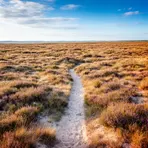
An open area of land with low shrubs and coarse grass on sandy soil
 2
7.4
2
7.4
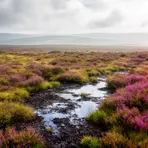
Open wild land that has wet, dark soil and low plants like heather
 1
8.0
1
8.0
A high open hill with few trees, often in northern England

Open land with low bushes like heather and poor sandy soil
Compounds
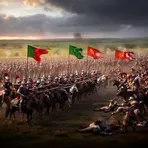
A major battle in 1644 during the English Civil War where Parliament's army defeated the king's supporters
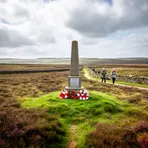


How Wild

Surface Forms
Etymology
Moor (noun) comes from an old English word mor meaning 'marsh' or 'bog'. So a moor is open, wild land that was seen as wet or rough ground, which explains its wide, uncultivated character today.