
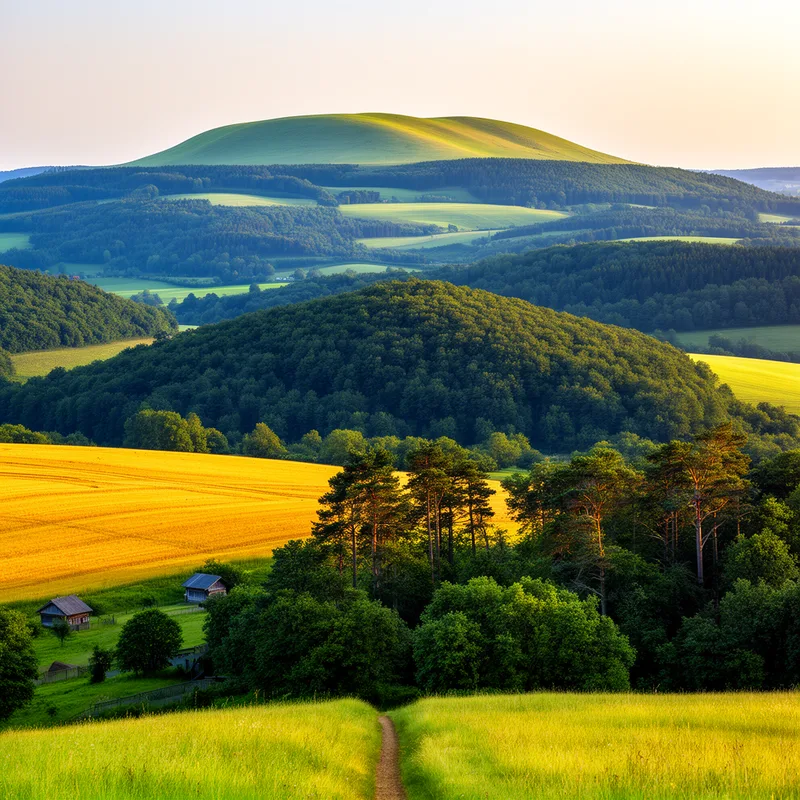
weald
- noun
- /wiːld/
- UK
- He calculated a time interval for the "denudation of the Weald" in the range of 300 million years, apparently long enough for natural selection to have produced the astounding range of species on Earth.
Examples
-
The charming villages in the weald offer a glimpse of rural life in England.
-
According to OBV, the Maidstone and Weald MP has been appointed joint Parliamentary Under Secretary of State at the Ministry of Justice and for women's and equality issues.
Blog text (4) -
Yet despite its post-war fantasies of pre-war pleasure, The Weald of Youth is notable for enumerating much of the war's psychic resonance in Sassoon.
Academic text (1994) -
Kelvin continued by attacking Darwin's estimate directly, asking rhetorically: "What then are we to think of such geological estimates as Darwin's 300,000,000 years for the denudation of the Weald?"
Academic text (2001) -
The ancient forests in the weald are home to many species of wildlife.
-
Many hikers enjoy exploring the picturesque landscape of the Sussex weald.
Synonyms




Surface Forms
Etymology
The word weald comes from the old English wēald, which meant 'forest' and is like the German Wald and the everyday English word wood. So a weald is an area of open or wooded country or rolling hills covered in trees.