

watertightness


 1
6.1
- noun
- /ˈwɔːtərˌtaɪtnəs/
- The watertightness of the new sealant ensures that no water will leak into the basement.
Examples
-
Engineers tested the watertightness of the dock's structure before allowing boats to enter.
-
The entire structure was plastered over, which thereby provided a certain degree of watertightness.
Academic text (1995) -
For a successful boat design, watertightness is crucial to prevent unwanted water intake.
Synonyms
 1
8.7
A state of not allowing water, light, or ideas to pass through
 1
8.3
The quality of not letting water or air pass through
 1
4.6
How well something keeps water out, for example a jacket or tent
 1
6.5
The ability to keep rain, wind, or snow from entering and damaging something
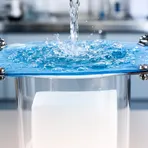
The quality of not letting water pass through something
How Watertight

Surface Forms
Morphology
watertightness = watertight (transparent) = water + tight + ness
The noun is a straightforward nominalization of the adjective 'watertight' with '-ness', and 'watertight' itself is a transparent compound of 'water' + 'tight'.
Etymology
Watertightness is made from water, tight, and the ending -ness. Tight means 'closed or secure' and -ness shows a state, so watertightness is the 'state of being tight against water' and explains how well something keeps water out.