

visible balance
- noun
- /ˈvɪzəbl ˈbæləns/
- Specialized
- A positive visible balance indicates that a country is exporting more goods than it is importing.
Examples
-
The country's visible balance improved after it increased its exports of manufactured goods.
-
Analysts are closely watching the visible balance as imports of electronics continue to rise.
-
A negative visible balance can place pressure on a nation's currency value.
-
The country's visible balance improved last quarter.
-
A positive visible balance is crucial for economic growth.
-
The visible balance reflects the overall health of a country's trade activities in physical goods.
-
When the visible balance is negative, it can lead to increased borrowing and potential economic issues.
Synonyms
 4
3.9
4
3.9

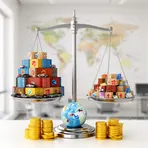
The difference in value between a country's exports and imports of goods
 2
4.4
2
4.4
The difference in value of goods a country sells and buys from other countries over time
How Positive

Surface Forms
Morphology
Although 'balance' conveys an accounting difference and 'visible' suggests tangible or seen items, this is a specialized economic term meaning the trade difference for physical goods. A B1 learner who knows the literal words may get a vague idea (a balance of visible/tangible items) but is unlikely to recover the precise meaning 'difference between exports and imports of physical goods' without domain knowledge.
Etymology
Visible balance comes from trade language where visible meant goods you can see, like food or machines, and balance was like a scale or score showing what a country sold and bought. So, it means the difference between a country's 'exports' and 'imports' of physical goods.