

viscidness
- noun
- /ˈvɪsɪd.nəs/
- The viscidness of the syrup made it difficult to pour quickly.
Examples
-
The viscidness of the glue increases as it dries, creating a strong bond.
-
Some tree saps are known for their extreme viscidness, sticking to anything that touches them.
-
The viscidness of the syrup made it difficult to pour.
-
She noted the viscidness of the glue when applying it.
-
The viscidness of the honey made it hard to spread on the toast.
-
He struggled to separate the pages due to the viscidness of the spilled adhesive.
-
The viscidness of the sugar syrup caused it to cling to the container.
Synonyms

 26
3.6
26
3.6

How thick and firm a liquid or mixture is
 8
7.1
8
7.1
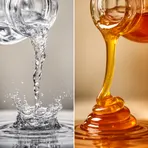
How thick and sticky a liquid is so it flows slowly
 6
4.9
6
4.9
How well things stick together to form one whole
 3
6.2
3
6.2
One surface sticks strongly to another, like paint on wood
 2
3.9
2
3.9
How much a liquid or soft substance stays on other surfaces after you touch them
 2
6.1
2
6.1
Sticking firmly to a surface or another material


 1
6.7
1
6.7
A sticky texture that clings to surfaces like teeth

A thick, sticky quality like that of honey or glue

A state of being sticky that makes things hard to clean

The quality of being sticky so it stays on surfaces
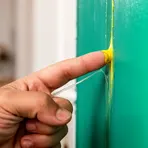
A slight stickiness when you touch something

The ability to stick to another surface, like tape or glue

The thickness of a liquid that makes it flow slowly

A sticky quality that makes food form long thin strings

A material's tendency to stick to a surface

The state of being sticky and thick so things cling together

A jelly-like texture that is soft and a little sticky
Antonyms

How Sticky

Surface Forms
Morphology
Etymology
Viscidness comes from the Latin word viscidus, meaning 'sticky', and shares the same root as viscous and viscosity. Think of thick tree sap or old glue that holds things together — that's why viscidness means the state of being sticky or thick.