

to velvet
- verb
- /ˈvɛlvɪt/
- Specialized
- To achieve a delicate texture, the shrimp were velveted before cooking.
Examples
-
She loves how the dessert is velveted with a rich chocolate glaze.
-
Some recipes call for meat to be velveted to enhance its smoothness.
-
The chef velveted the chicken to keep it moist and tender in the stir-fry.
-
The chef velvets the sauce to enhance its texture.
-
To make the dish more tender, you should velvet the chicken before cooking it.
-
She decided to velvet the vegetables to enhance their texture and flavor.
-
If you velvet the shrimp, they will have a softer texture when served.
Synonyms

To make cloth or leather soft and fuzzy by brushing the surface
Idioms

Compounds


- Australian
A tropical plant with soft purple, velvety leaves that people grow indoors

- Specialized
A grass with narrow leaves and fine texture used for lawns and golf greens


A climbing plant with purple flowers and hairy pods grown to improve soil and feed animals

- Indian
A tropical plant with young leaves eaten as a vegetable and seeds used like cereal

- Specialized
A small tree or shrub with velvety branches, bright red autumn leaves, and red berries

- Specialized
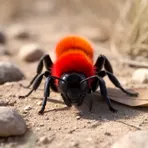
A small soft animal with velvety skin that catches prey with sticky slime


- Specialized
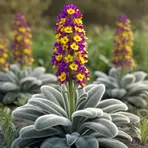
A tall plant with large woolly leaves and spikes of yellow or purple flowers

- Specialized
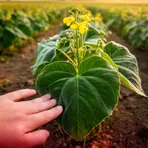
A tropical plant with soft leaves covered in purple hairs and grown for decoration

How Soft

Surface Forms
Etymology
The verb velvet comes from the name of the soft cloth velvet, from Latin vellus 'fleece', and it means to make something smooth and soft like the fabric. That's why chefs say meat is velveted when they give it a silky, tender texture.