

vapor escape
- noun
- /ˈveɪpər ɪˈskeɪp/
- US
- The mechanic checked the engine for any signs of vapor escape before restarting it.
Examples
-
Sudden vapor escape from the container caused a loud hissing sound.
-
Proper ventilation is important to control vapor escape in chemical laboratories.
-
The vapor escape from the kettle was visible.
-
We noticed a vapor escape during the test.
-
As the kettle boiled, steam began to rise, and vapor escaped from the spout.
-
To prevent pressure buildup, it is crucial to allow vapor to escape from the sealed container.
-
The old pipe had a crack that caused vapor to escape into the chilly air.
Synonyms

 198
4.6
198
4.6

A substance like gas or smoke that is released into the air
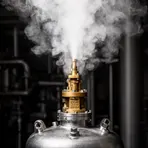 114
3.9
114
3.9
A device that lets gas or steam leave a container
 5
8.3
5
8.3
Something that comes out from a place, like gas, light or a smell
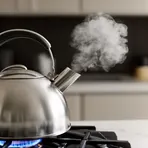

 1
3.5
1
3.5
A short, sudden burst of steam from hot water or a machine
 1
8.5
1
8.5
Release of gas from a solid material into the air or space
How Much

Surface Forms
Morphology
The phrase is a straightforward compositional combination: 'vapor' (gas/steam) + 'escape' (a release or leakage) yields the meaning 'release of vapor'. This follows a common noun-combination pattern that a B1 learner who knows both words can readily infer, so the expression is transparently comprehensible.
Etymology
The noun vapor escape paints a picture of vapor (hot steam or gas) and the idea of escape when it slips out of a closed container, like a kettle that hisses when the lid opens. So, it means 'the release of steam or gas into the air'.