

unwooded
4.3
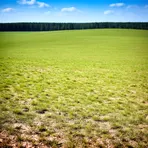
Land with few or no trees
- adjective
- /ʌnˈwʊdɪd/
:
despejado
- The landscape was mostly flat and unwooded, providing a clear view of the horizon.
Examples
-
The hikers enjoyed a picnic in the open, unwooded fields near the river.
-
We scarcely have any unwooded plains; lakes not fringed by forest are also questionable, and mountains lacking the gaiety of woodsy crowns are almost unknown among us.
Fiction book (2002) -
Farmers preferred the unwooded land for growing crops rather than raising timber.
Synonyms

treeless
vsunwooded
 4
2.7
4
2.7

An area with no trees
is broader, referring to lack of trees and wider forestation

untimbered
vsunwooded
8.2
An area that has no trees
is broader, noting lack of both trees and forest cover

unforested
vsunwooded
5.6
An area that does not have trees
also implies missing individual trees as well as no forest
nonforested
vsunwooded
5.0
Land that does not have trees
is still about missing trees but broader in wording
Antonyms


How Wooded

Surface Forms
unwooded positive
Morphology
Etymology
The word unwooded comes from un- meaning 'not' and wood meaning 'trees' or 'forest', the same wood you find in woodland. So, unwooded simply describes land that is 'not covered with trees', which is why we use it for open fields and plains.